Can a Child Above 16 Accused of Murder Be Tried as an Adult? Supreme Court Clarifies

- July 22, 2026


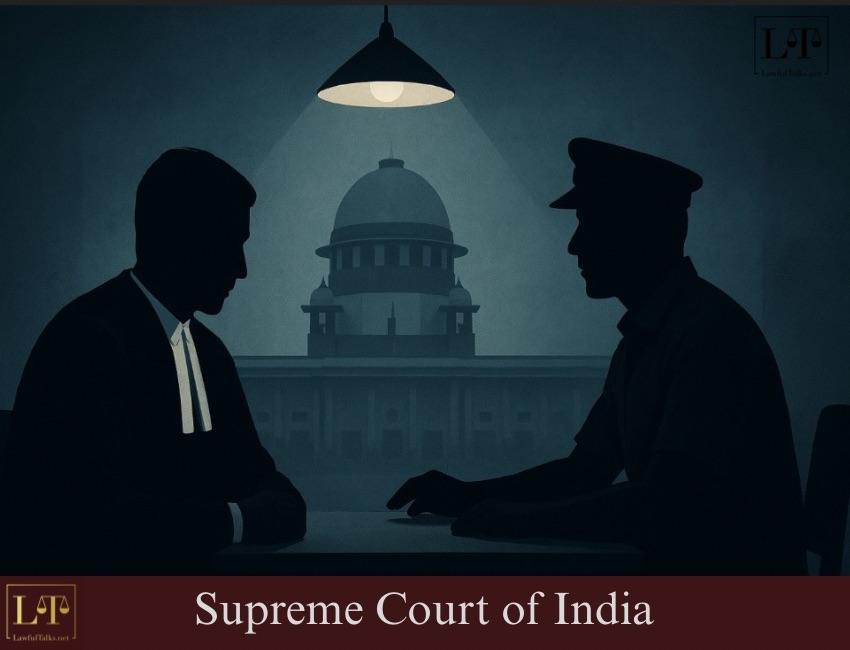
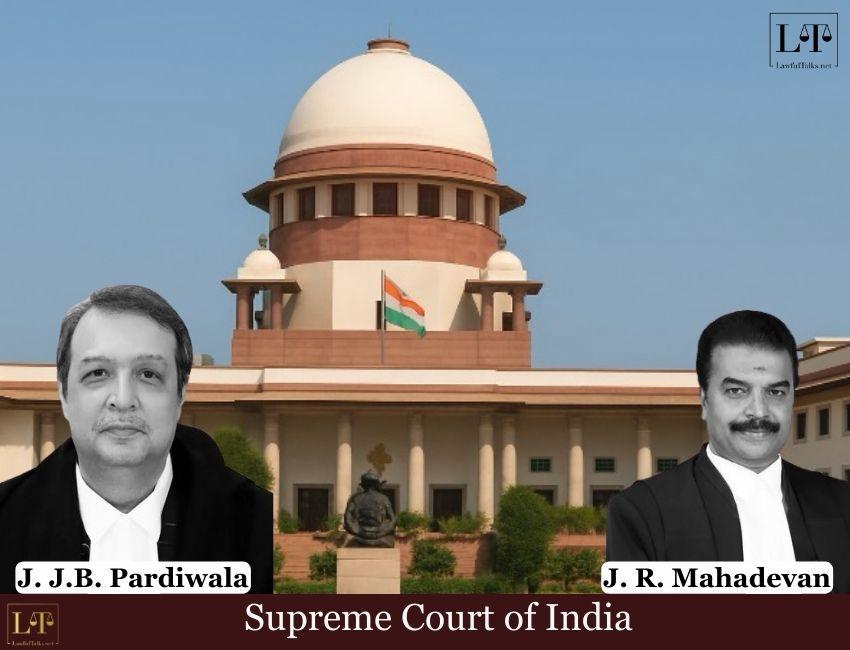
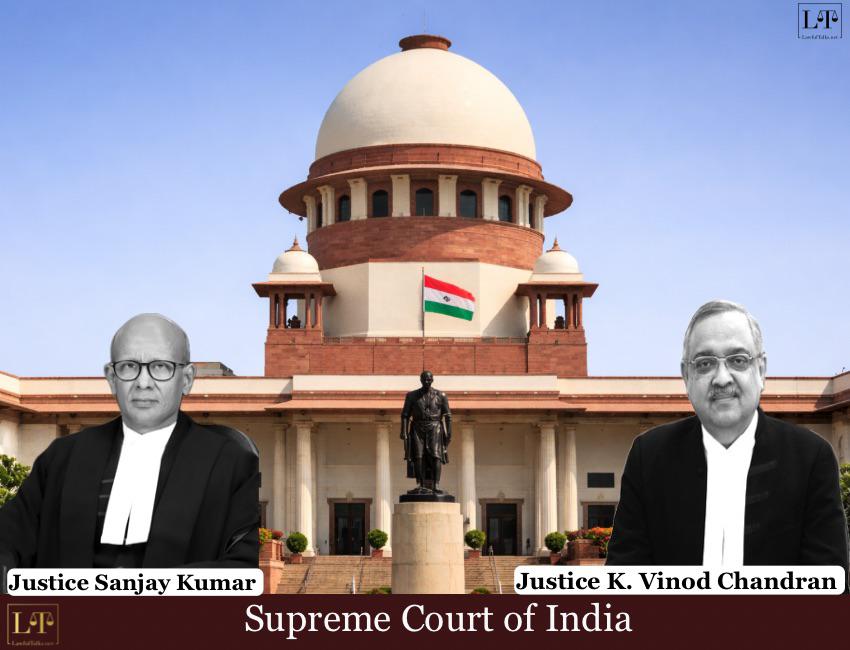
The Supreme Court has clarified that a child above the age of 16 who is accused of murder under Section 302 of the Indian Penal Code (now Section 103 of the Bharatiya Nyaya Sanhita) can be tried as an adult because murder is a "heinous offence" under the Juvenile Justice (Care and Protection of Children)Act, 2015.
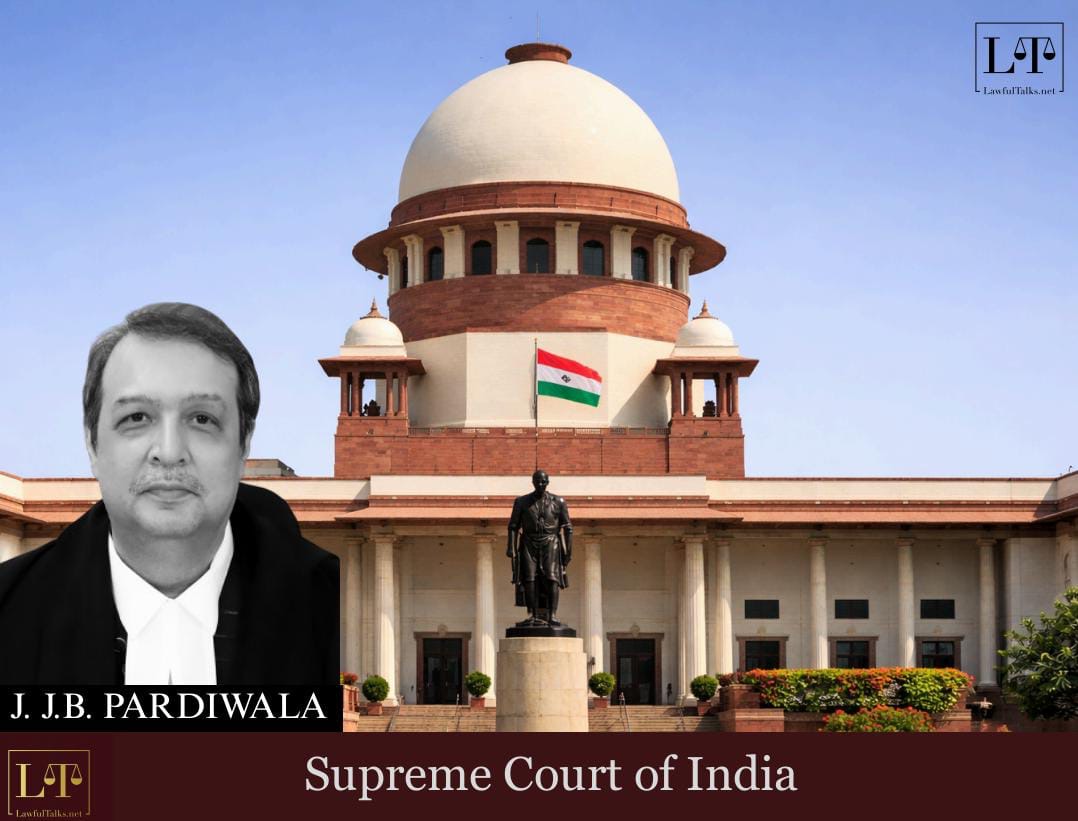
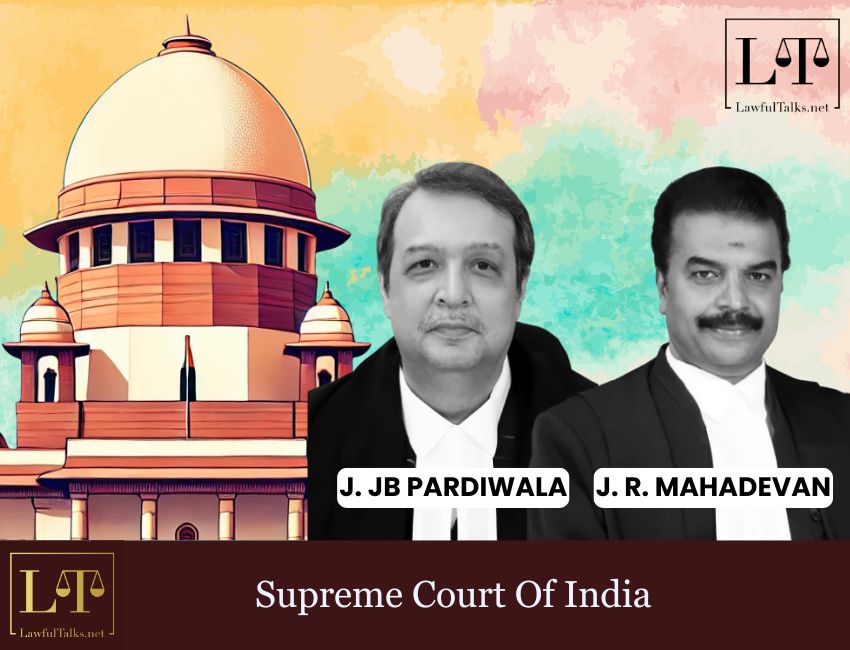
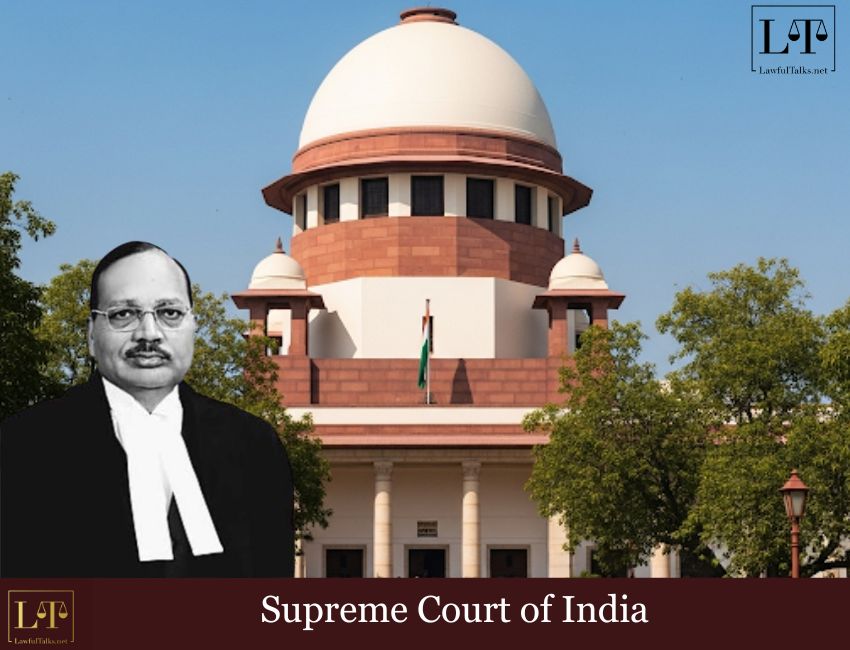
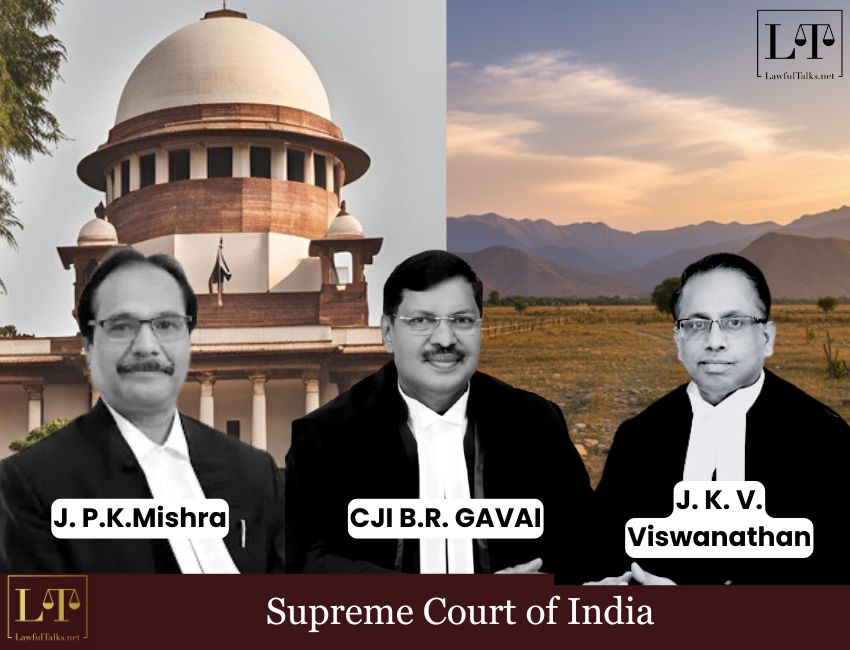
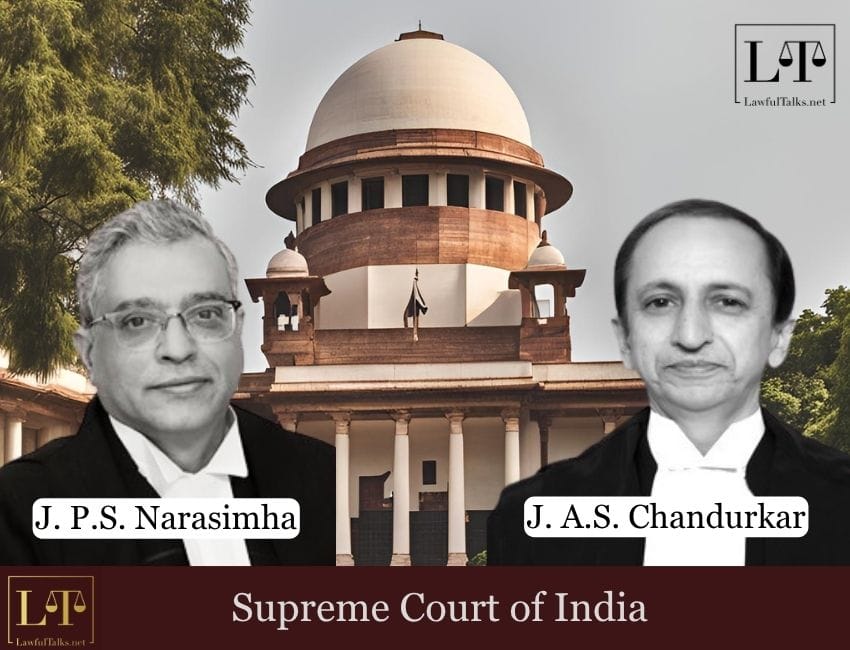
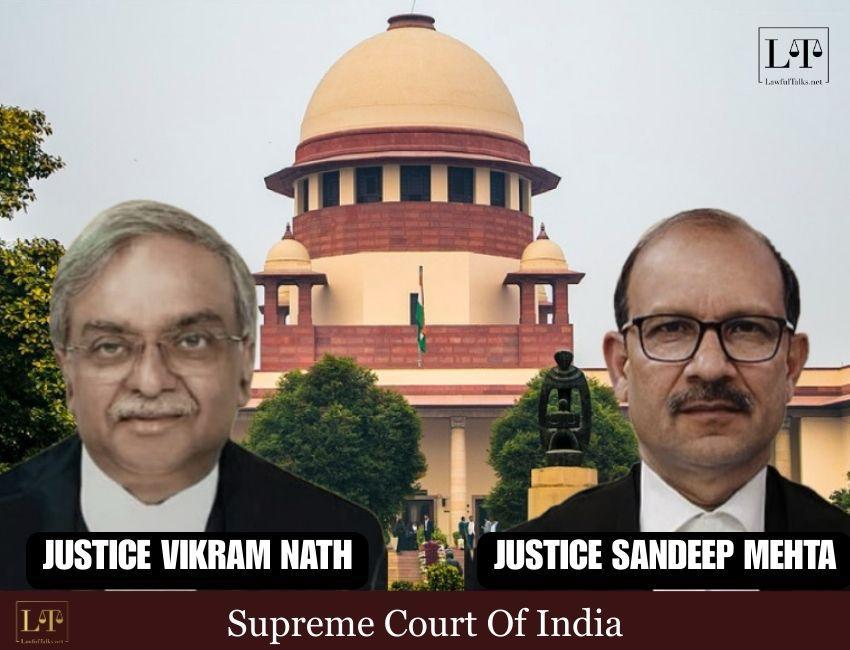
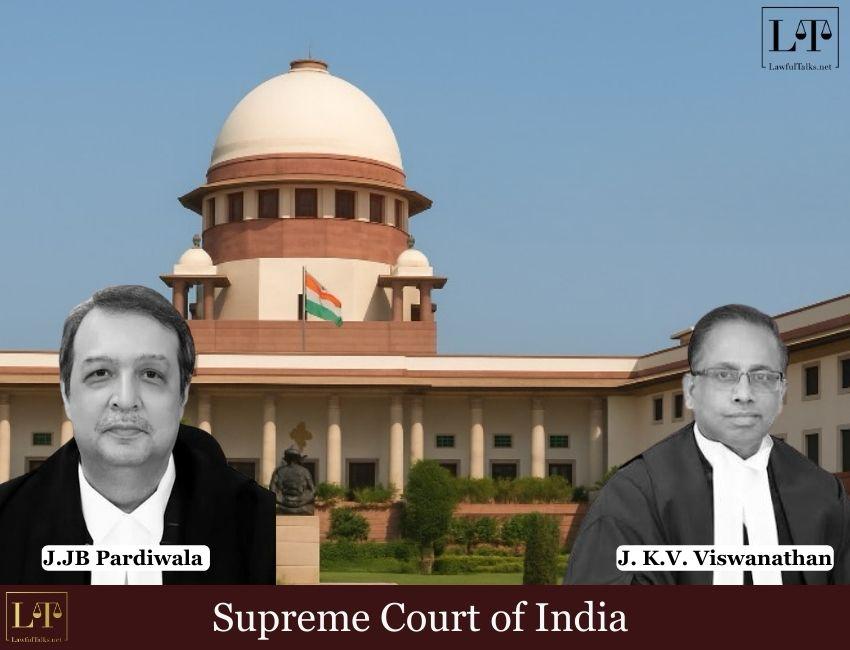
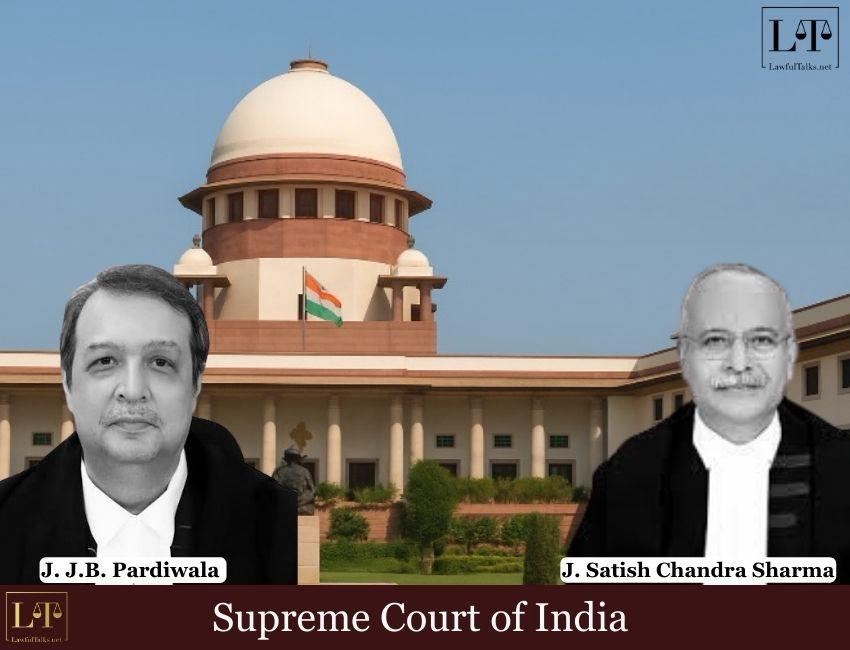
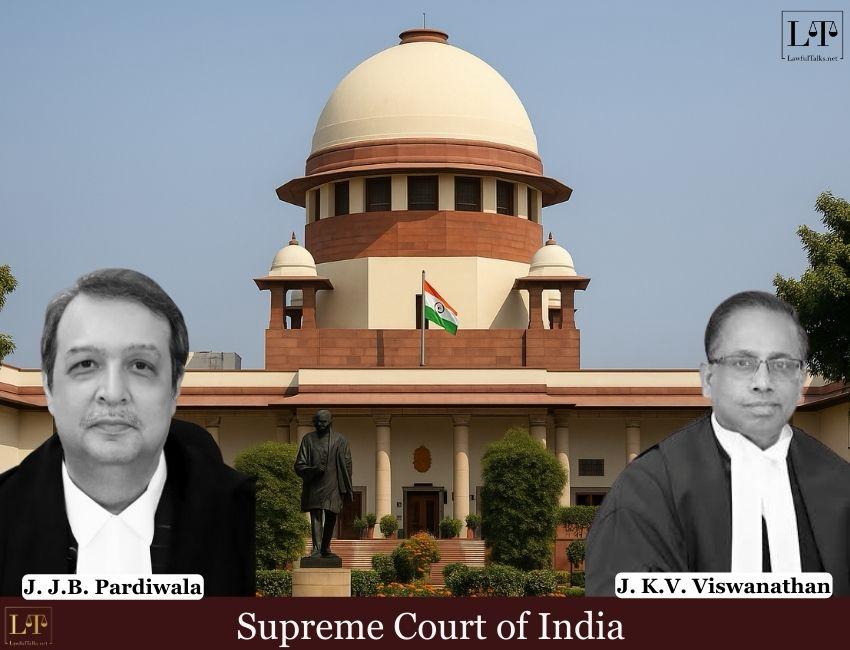
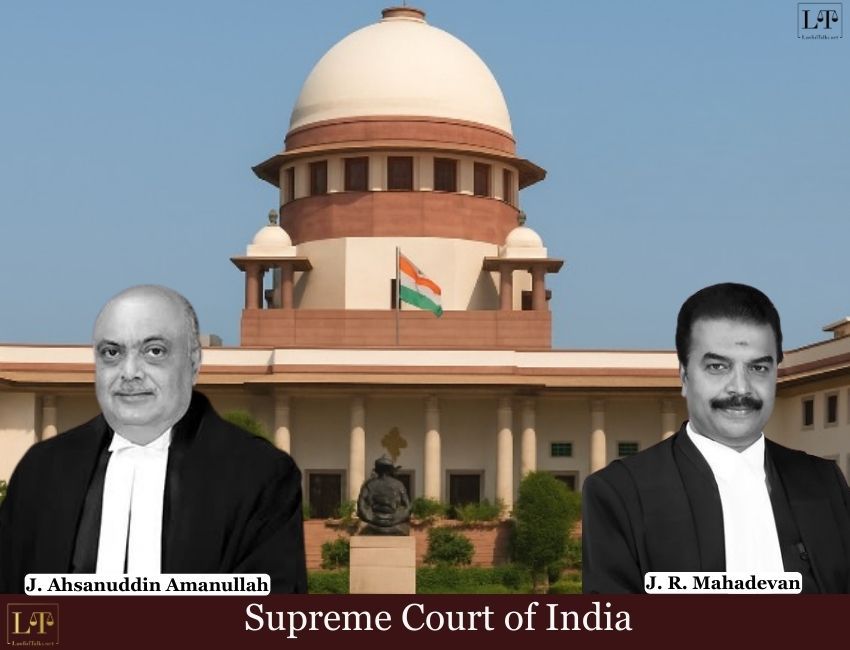
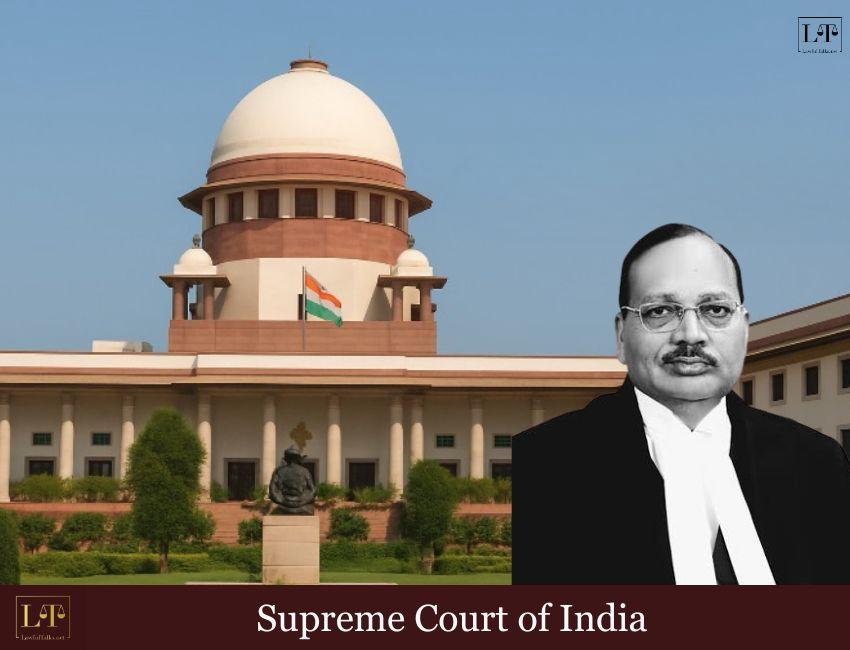
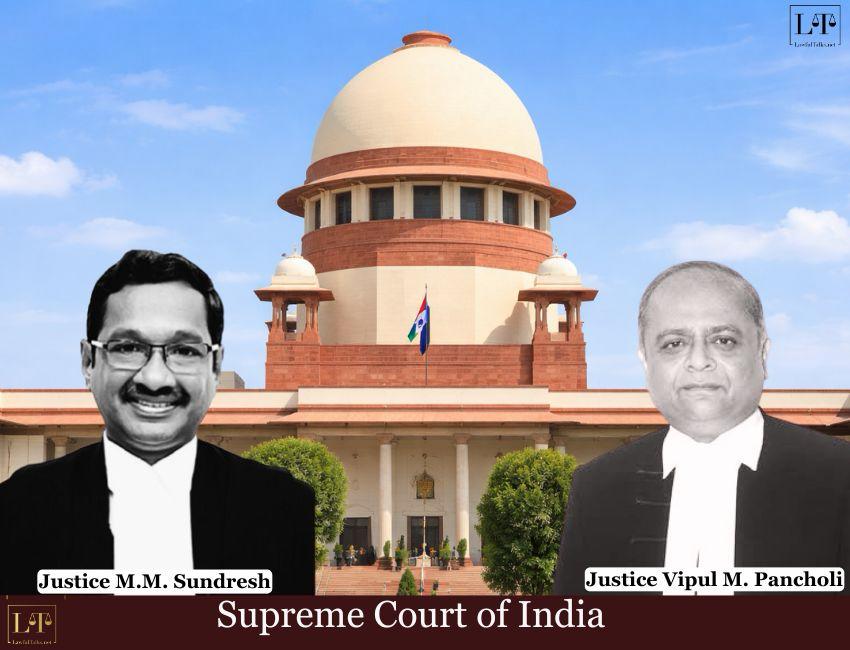
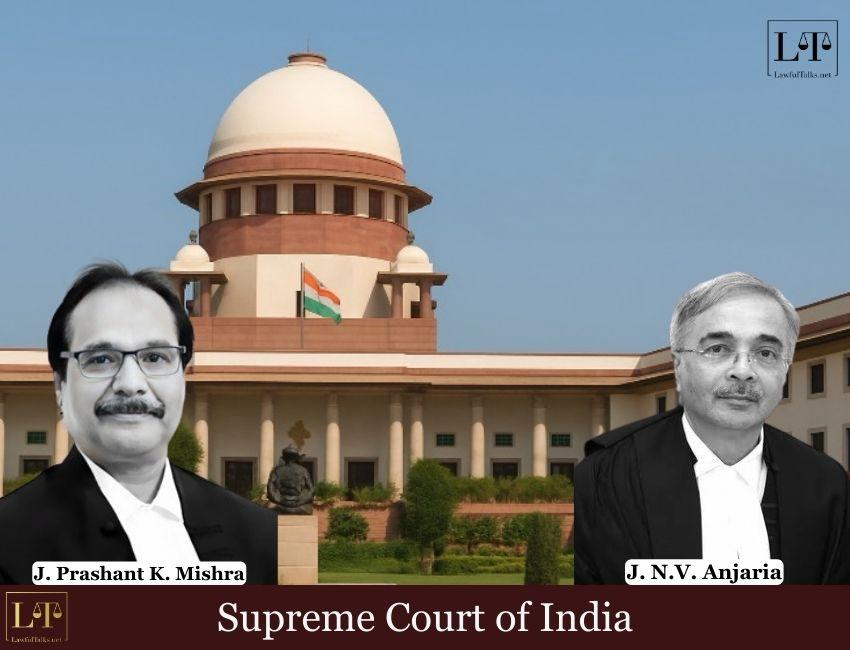
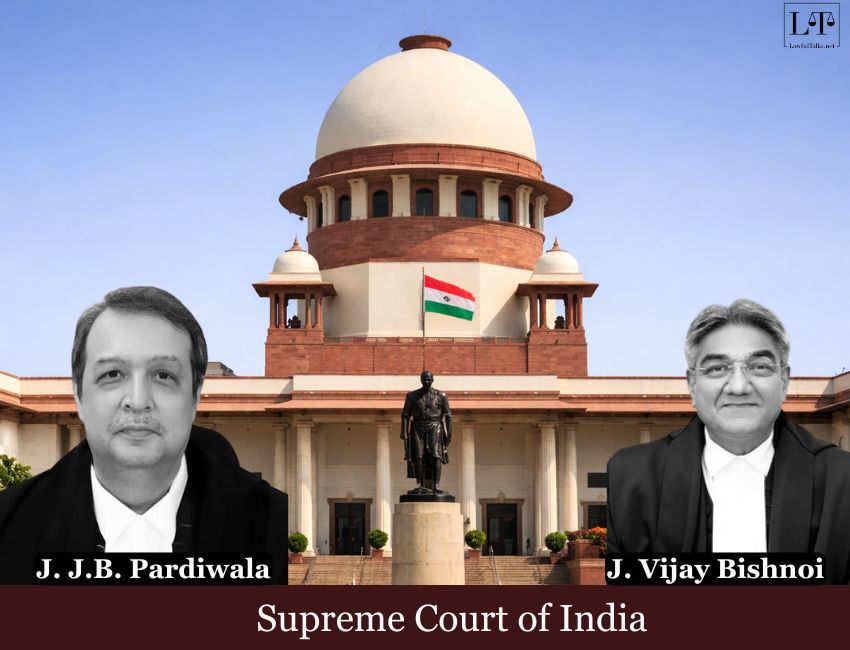
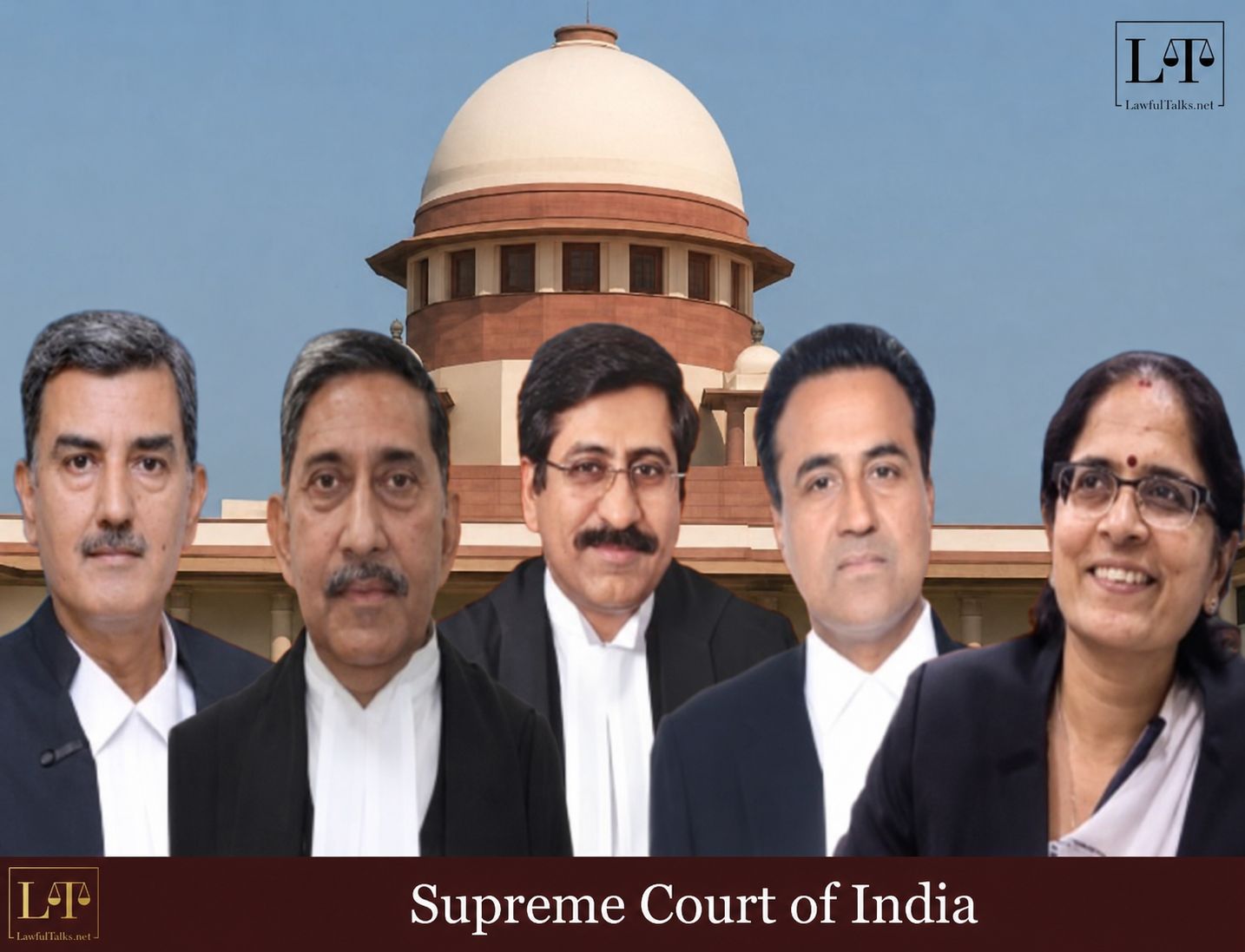
Justice J.B. Pardiwala, while interpreting the Juvenile Justice Act, also held that the appellate courts are not required to seek fresh opinions from psychologists in every case while deciding appeals against preliminary assessments made by Juvenile Justice Boards.
Case Background:
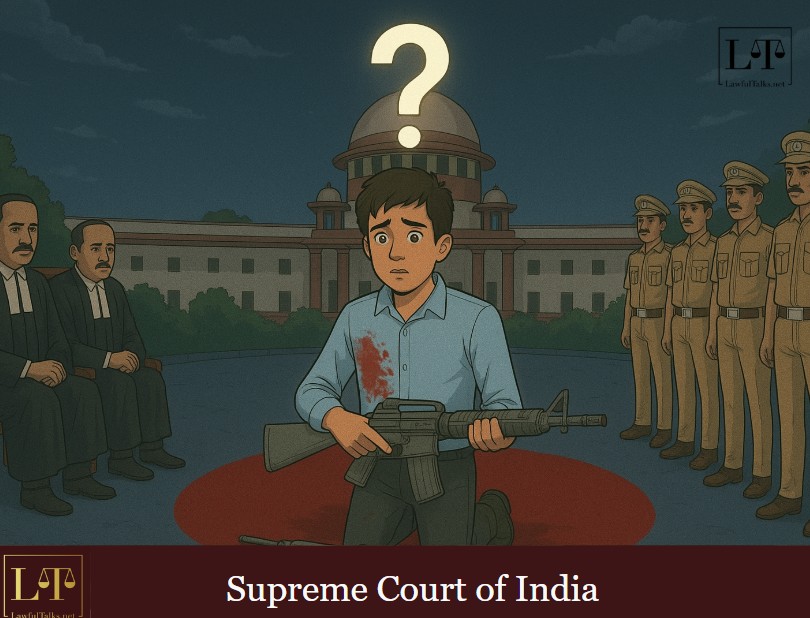
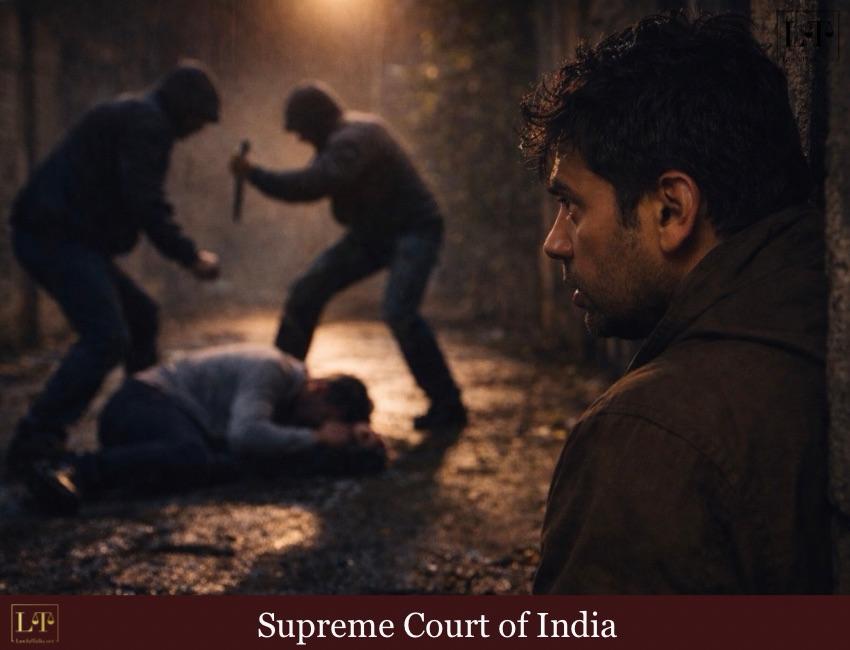
The case arose from the murder of a boy in Bihar. According to the prosecution, the deceased had left home with the appellant and another juvenile. At that time, the appellant was 16 years and 4 months old.
The next morning, the victim’s body was found in a field. The prosecution alleged that the appellant had slit the victim’s throat with a knife. During the investigation, the police recovered the alleged weapon.
Since the appellant was above 16 years of age and was charged under Sections 302 (murder), 201 (causing disappearance of evidence) and 34 (common intention) of the IPC, the Juvenile Justice Board conducted a preliminary assessment under Section 15 of the Juvenile Justice Act to decide whether he should be tried as an adult.
Board Split:
The members of the Juvenile Justice Board were divided.
The majority held that the child did not have the mental and physical capacity to commit the offence. They directed that he should be tried by the Juvenile Justice Board itself.
However, the Presiding Magistrate disagreed. According to the Magistrate, the child understood the nature and consequences of his actions and should therefore be tried as an adult.
The victim’s mother challenged the majority decision before the Sessions Court.
The Sessions Court set aside the majority view and directed that the juvenile be tried as an adult. The Patna High Court later upheld that decision. The accused then approached the Supreme Court.
Murder Is Heinous:
The appellant argued that Section 302 IPC does not prescribe a minimum sentence because it provides punishment of “death or imprisonment for life.” Therefore, according to him, murder should be treated as a “serious offence” under the 2021 amendment to the Juvenile Justice Act, and not as a “heinous offence.”
The Supreme Court rejected this argument.
Justice Pardiwala observed:
“We are of the considered opinion that the contention put forth by the learned counsel on behalf of the appellant is completely misconceived, meritless, inconceivable and deserves to be rejected at the threshold.”
The Court explained that although Section 302 provides two punishments—death or life imprisonment—a court cannot award any punishment below life imprisonment. Therefore, life imprisonment is the minimum punishment under the law.
The Bench held:
“Life imprisonment is, by implication, the minimum punishment prescribed under Section 302 of the IPC.”
It further said:
“The word ‘or’ merely confers upon the court the discretion to choose between the two punishments… It does not open any avenue for the imprisonment to be lesser than imprisonment for life.”
The Court therefore held that murder under Section 302 IPC continues to be a heinous offence under the Juvenile Justice Act.
Expert Opinion:
The appellant also argued that the Sessions Court acted illegally because it decided the appeal without taking assistance from psychologists under Section 101(2) of the Juvenile Justice Act.
The Supreme Court rejected this argument as well.
The Court held that the word “may” used in Section 101(2) gives discretion to the appellate court. It does not make it compulsory to seek expert assistance in every case.
The Court observed:
“Section 101(2) confers a power upon the Appellate Court to seek the assistance of experts, the exercise of which remains within the discretion of the Court.”
It further said:
“We are not inclined to take the view that the word ‘may’ used in sub-section (2) of Section 101 means ‘must’ or ‘shall’.”
At the same time, the Court clarified that appellate courts should seek expert assistance whenever the facts of a particular case make it necessary.
Board’s Role:
The Supreme Court also explained how Juvenile Justice Boards should conduct preliminary assessments under the Act.
The Court made it clear that, at this stage, the Board is not deciding whether the child is guilty or innocent. It is only deciding whether the child should be tried as an adult.
Justice Pardiwala observed:
“The Board must not express any view, draw any inference, or make any observations regarding the guilt or innocence of the child.”
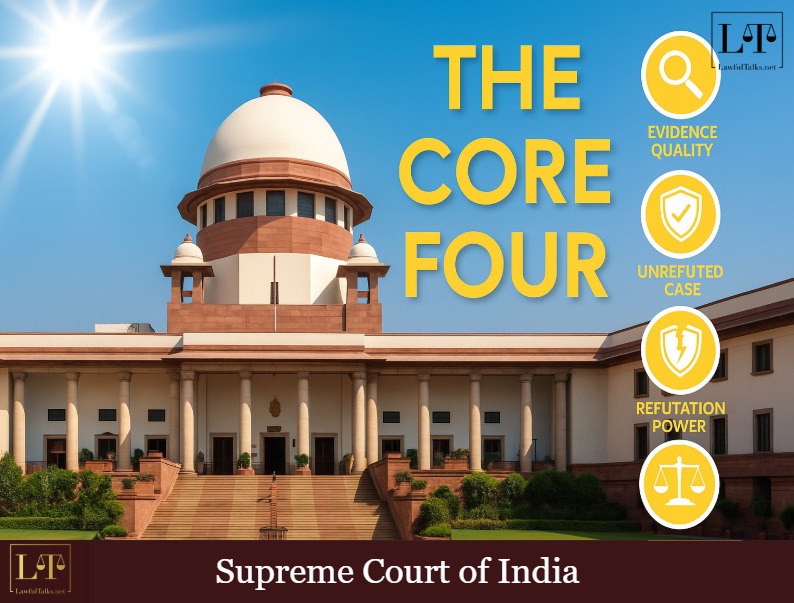
The Court said that the Board must separately examine the following four factors:
The Court also said that expert reports are important but cannot be treated as the final word.
It observed:
“The expert opinion must be read and assessed along with… the Social Background Report, the Social Investigation Report, the statement of witness, and other material placed before the Board.”
Final Ruling:
The Supreme Court upheld the decisions of the Sessions Court and the Patna High Court.
It held that murder under Section 302 IPC is a heinous offence for the purposes of the Juvenile Justice Act. It also ruled that the Sessions Court did not commit any error by deciding the appeal without obtaining fresh expert assistance from psychologists.
Case details- X vs State of Bihar













































































































































































































Sign up for free and be the first to get notified about curated content just for you.