“Don’t Waste Our Time, Don’t Waste Your Time”: CJI Refuses Urgent Hearing on Plea Over Student Protest Police Action

- July 22, 2026


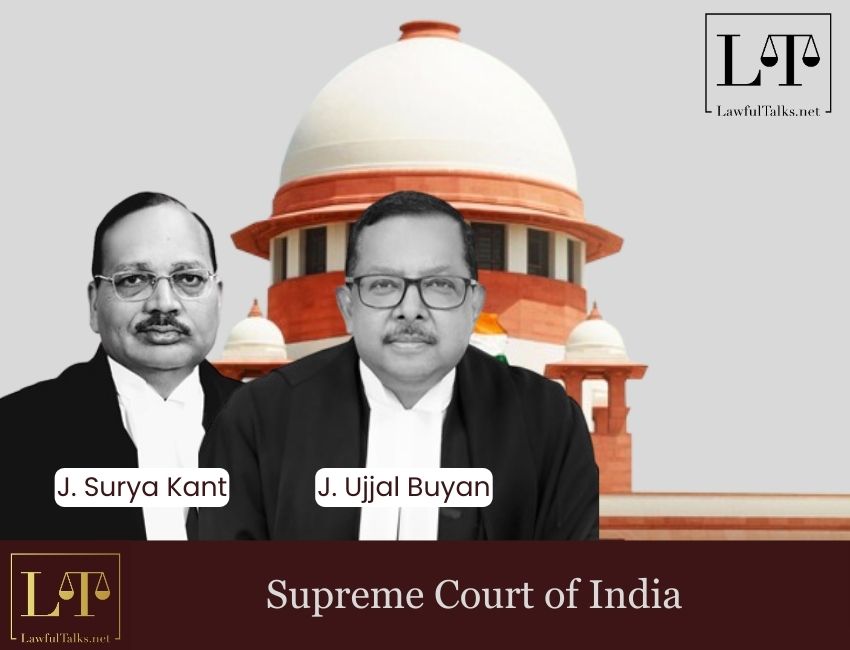
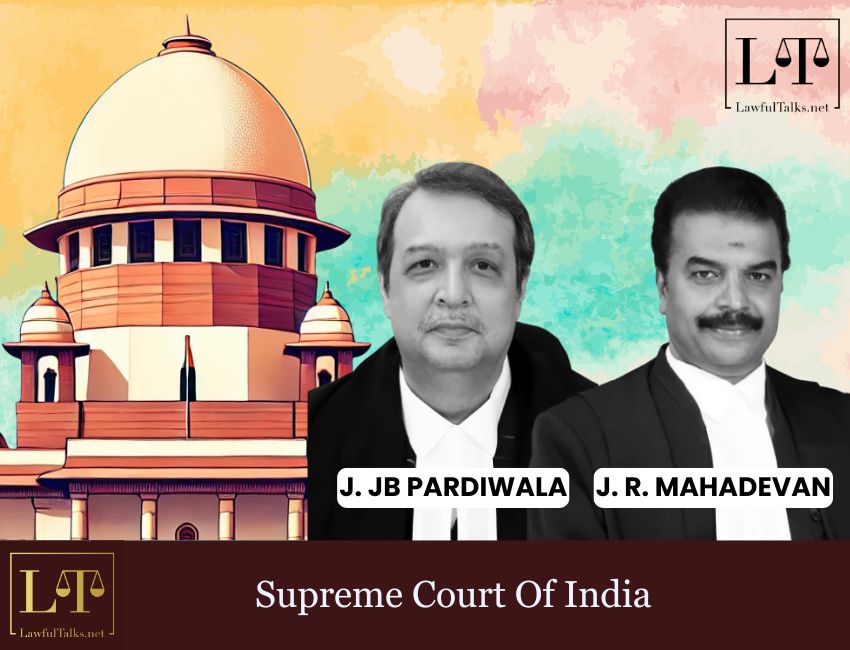
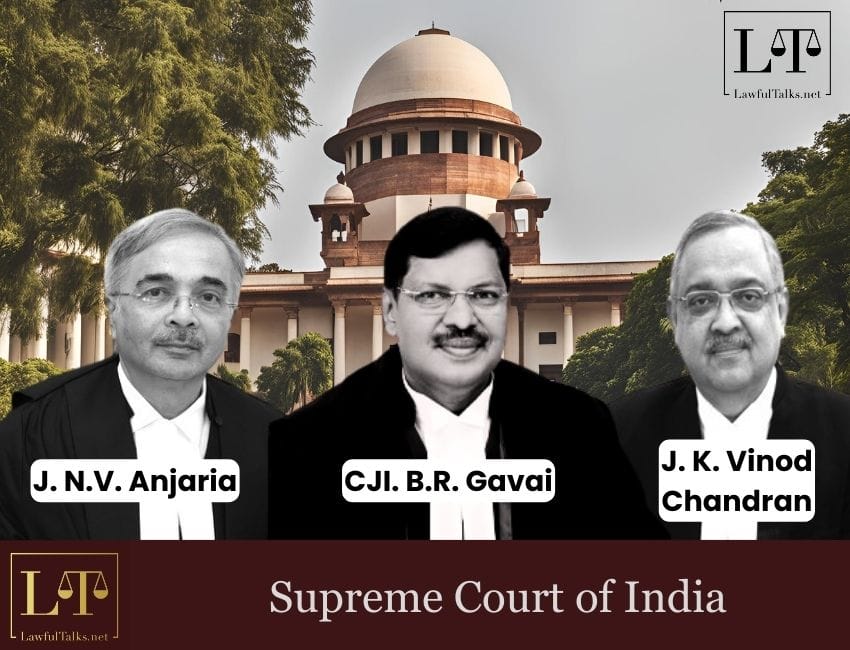
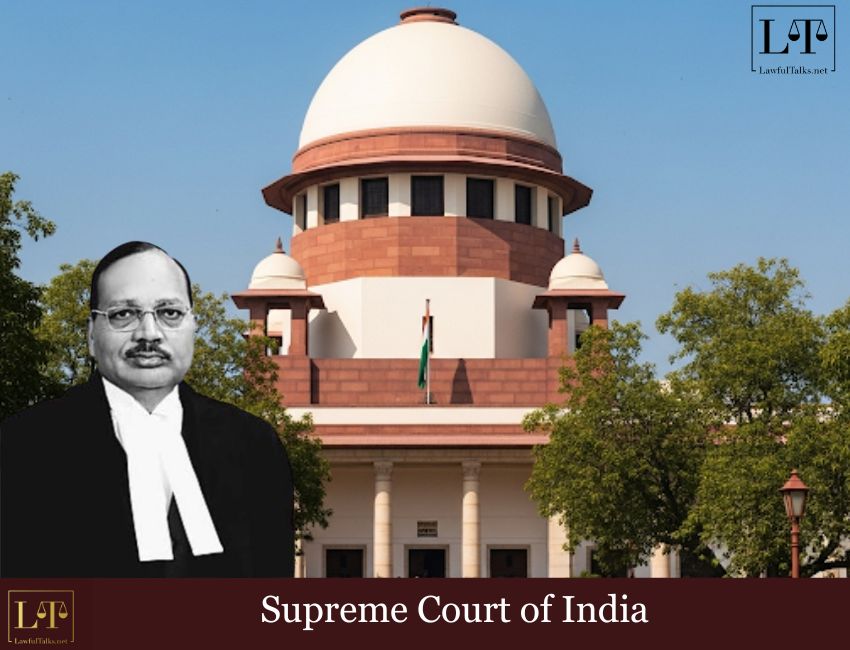
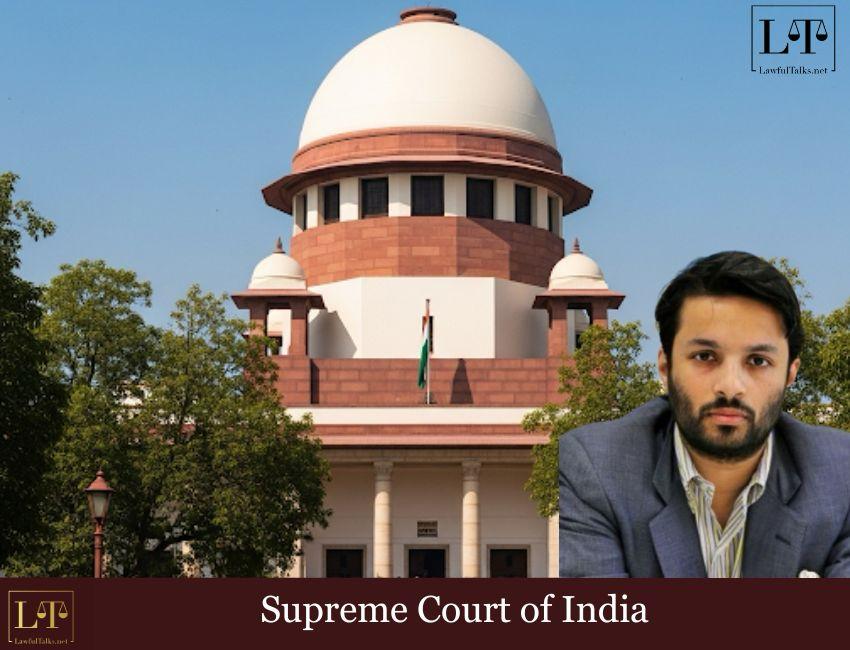
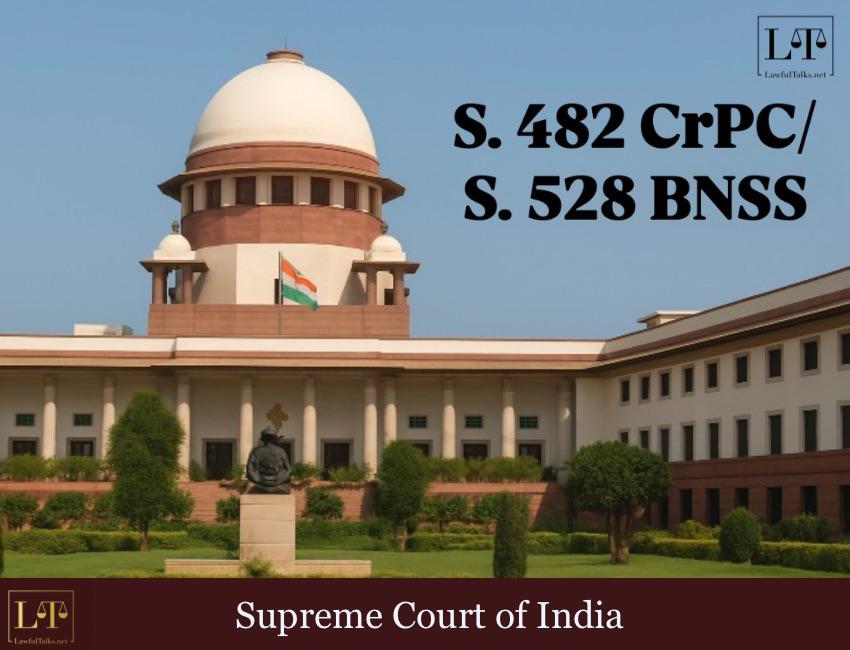
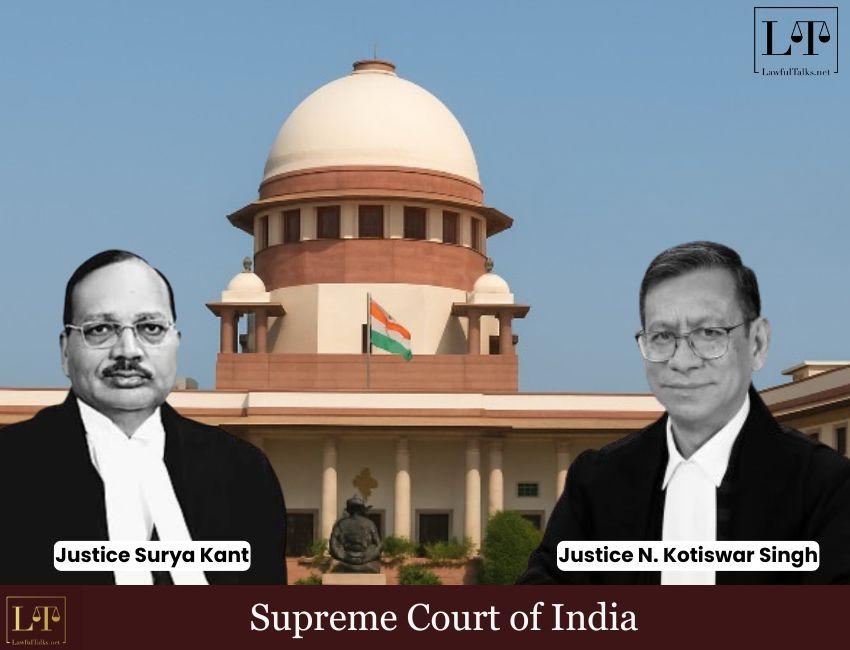
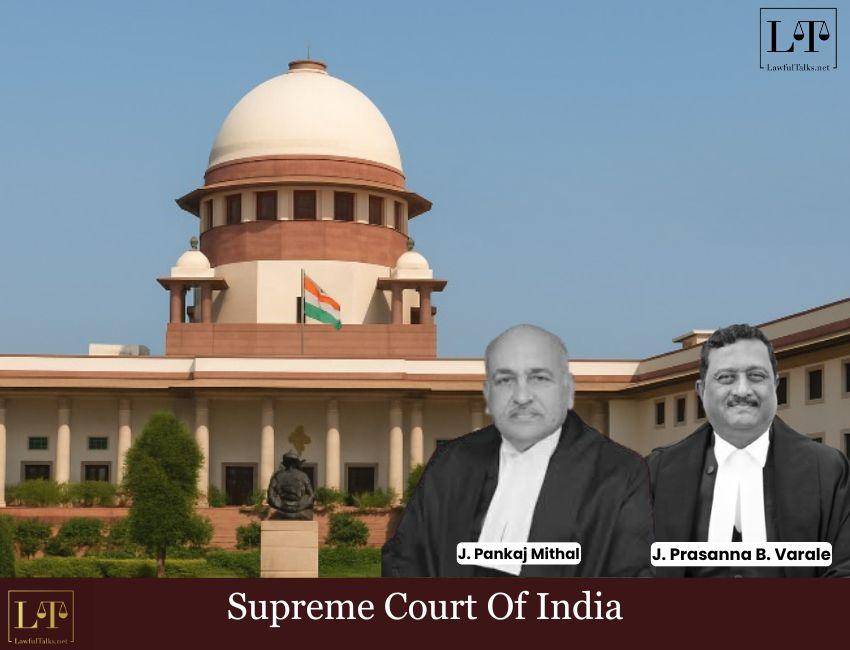
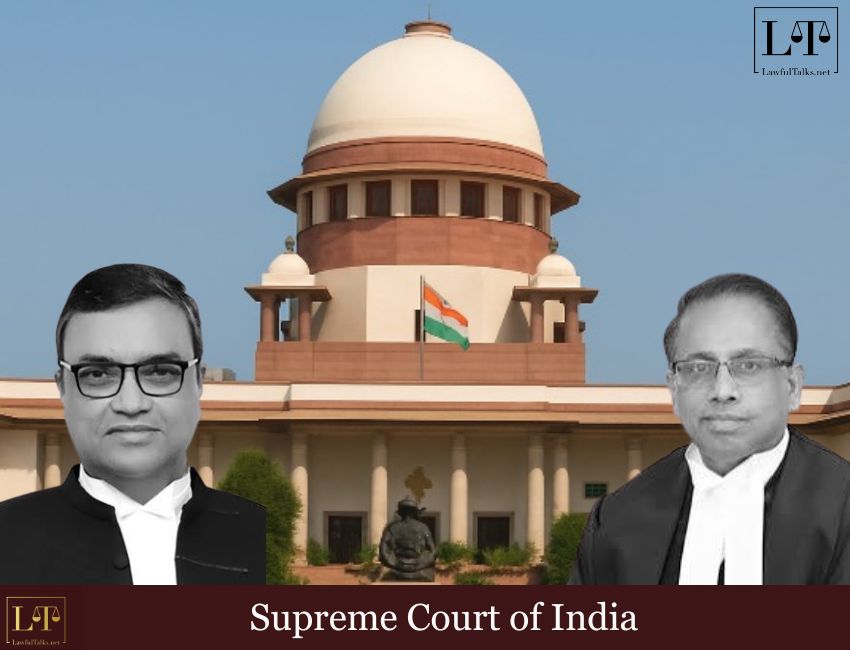
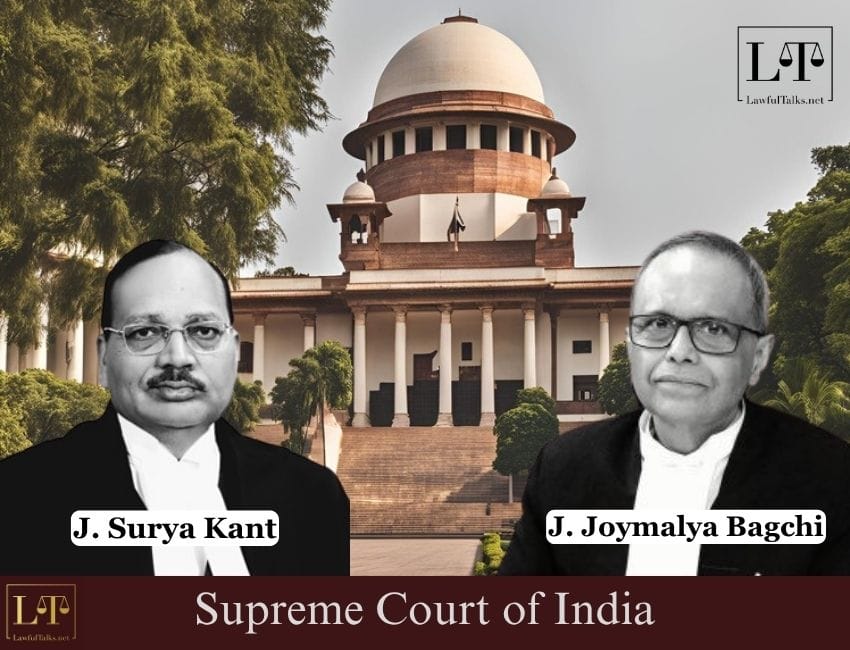
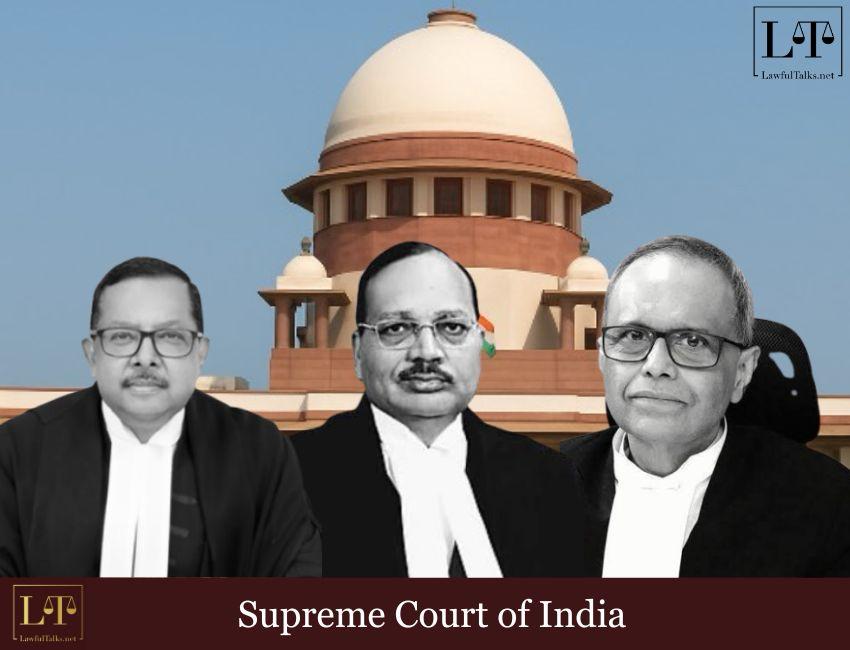
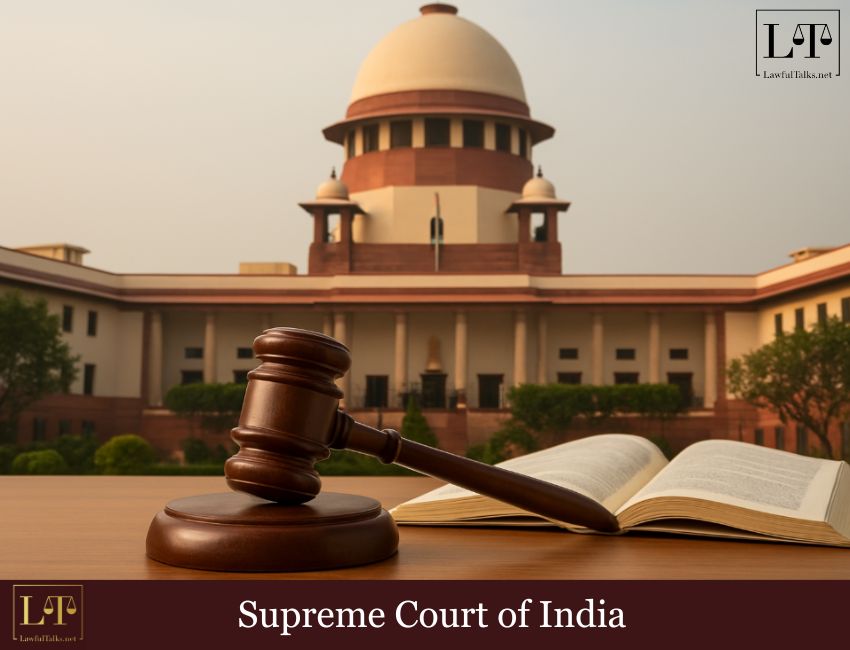
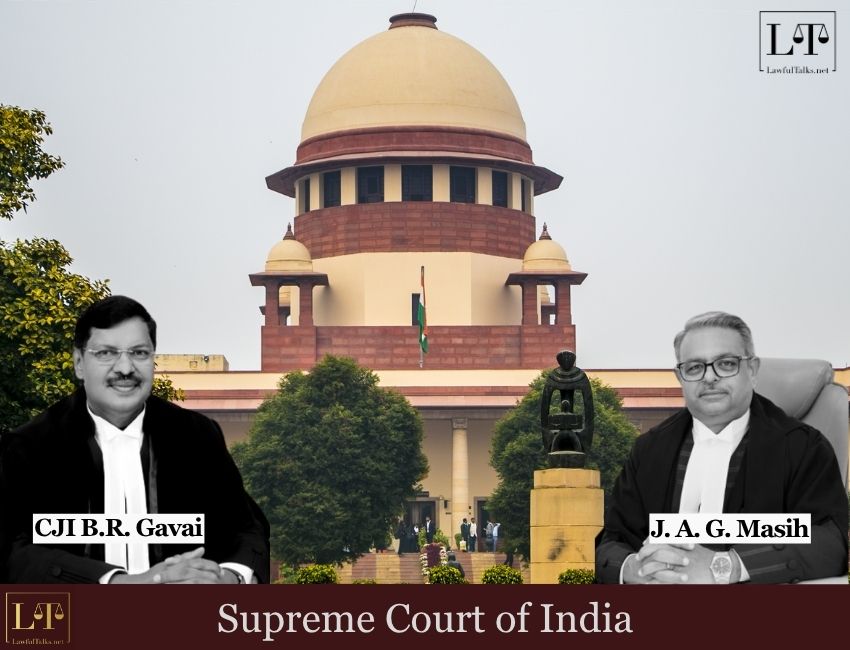
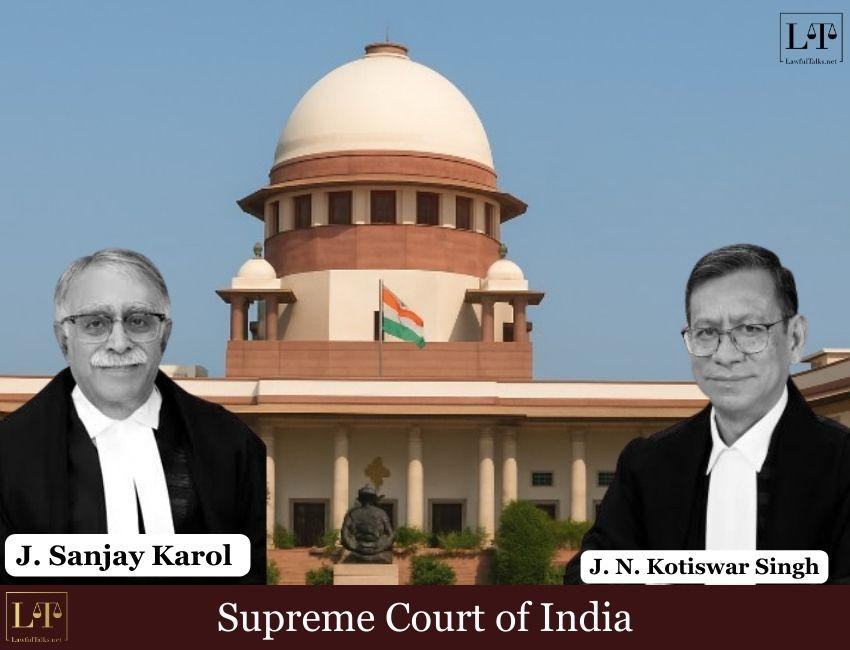
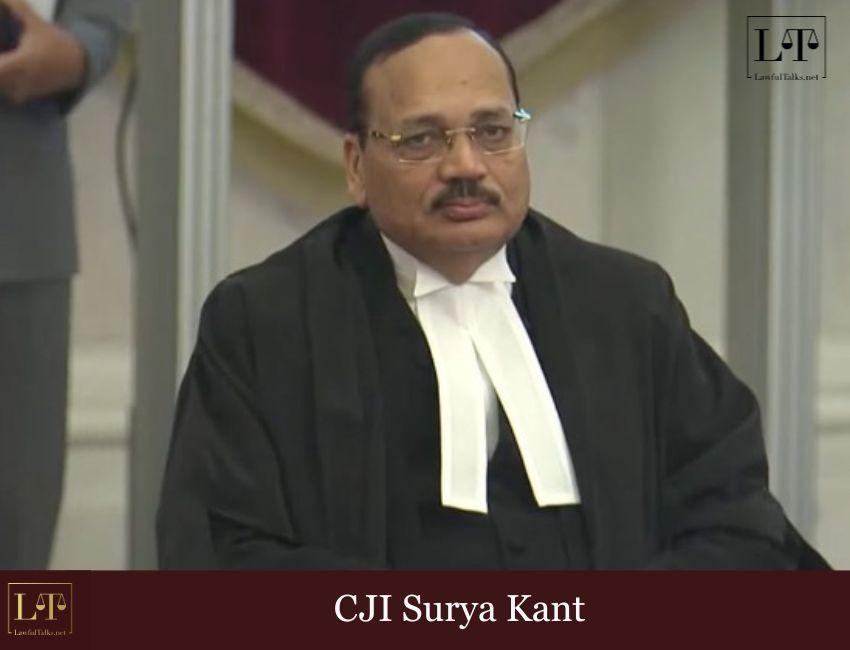
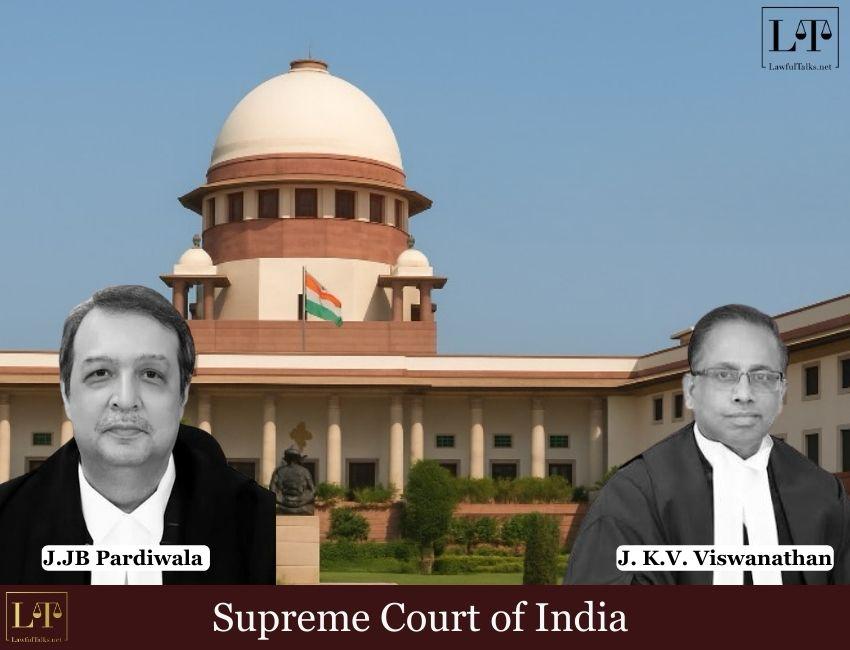
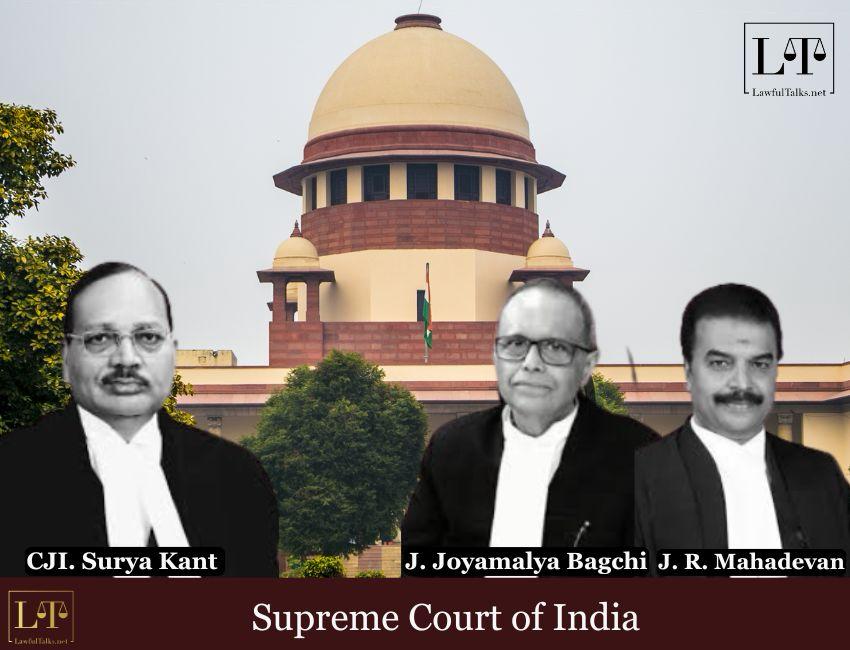
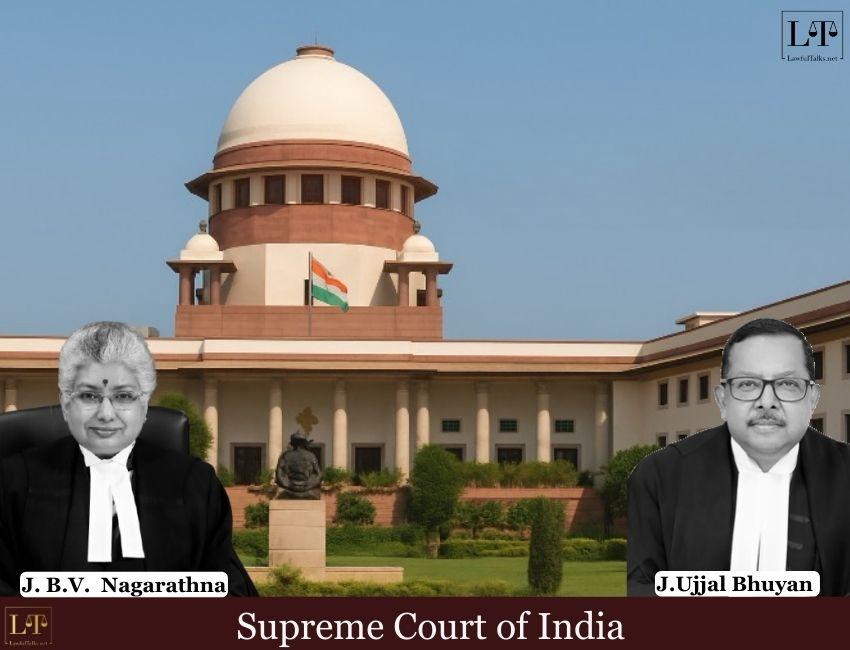
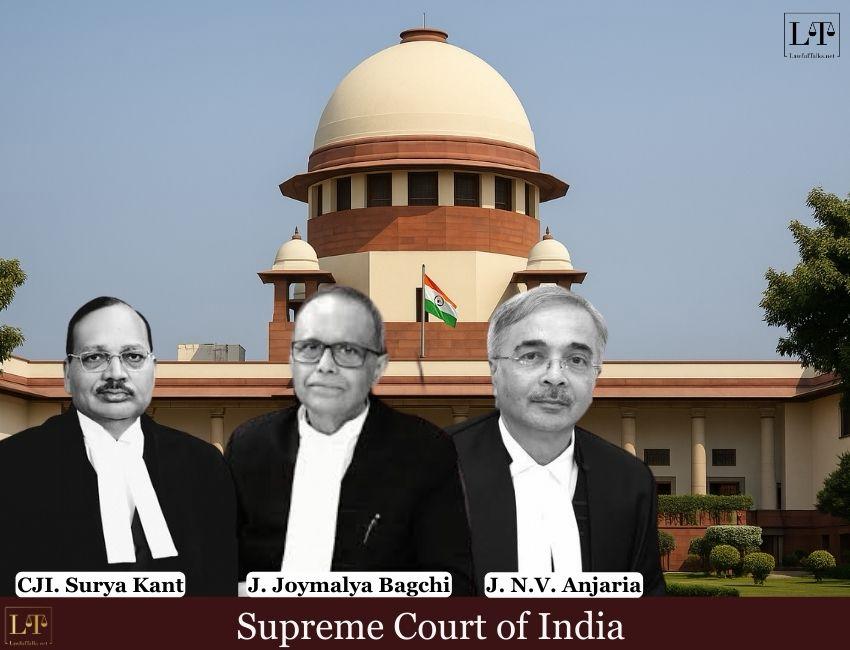
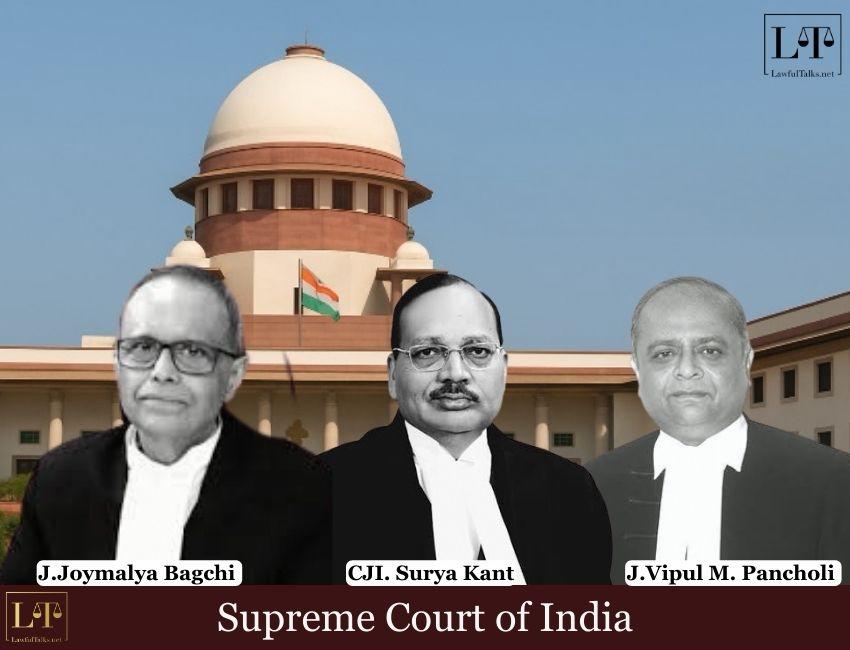
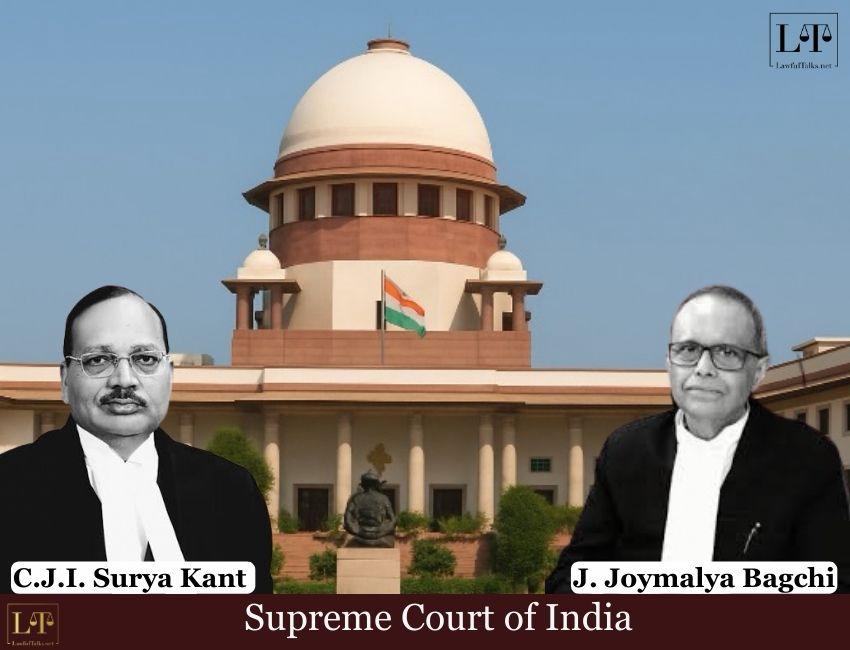
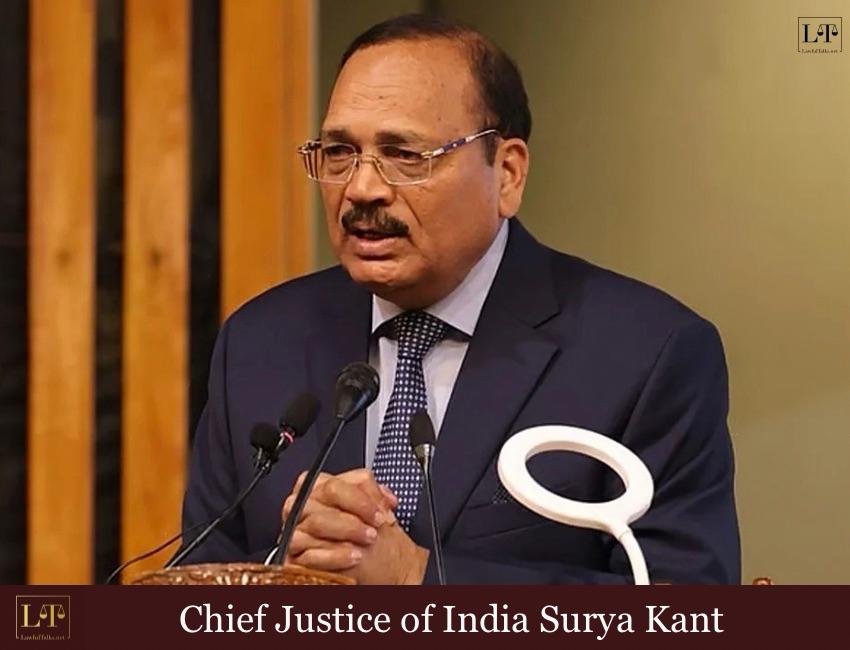
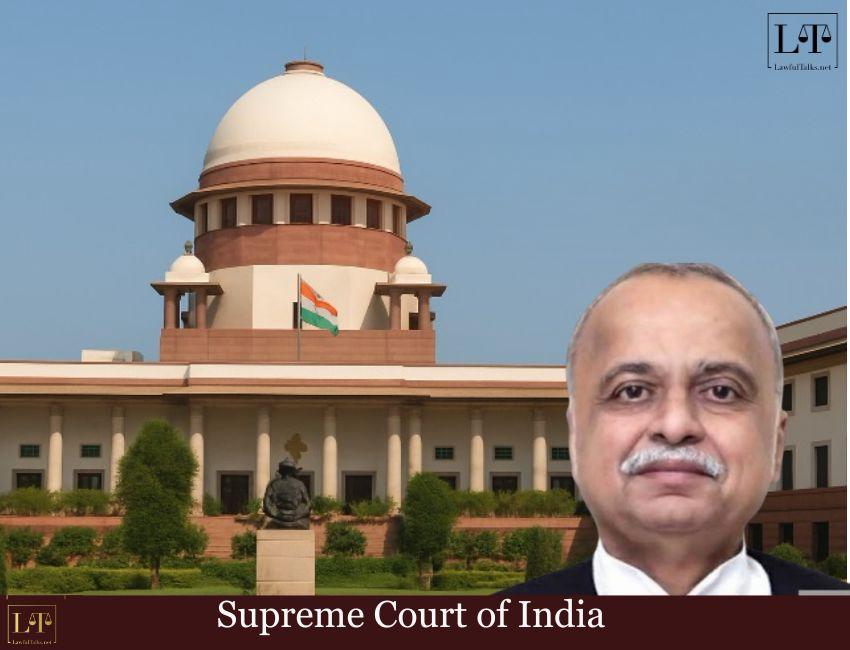
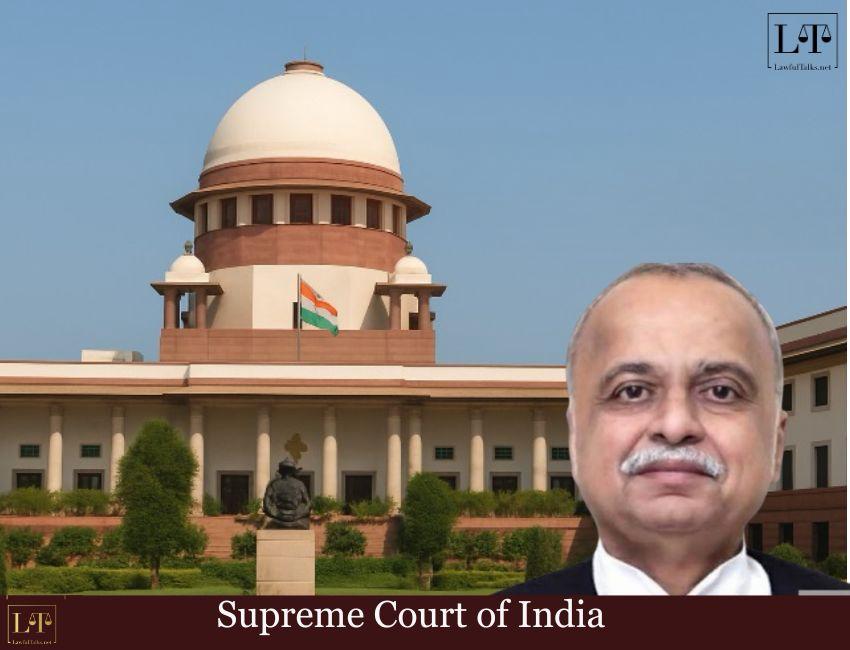
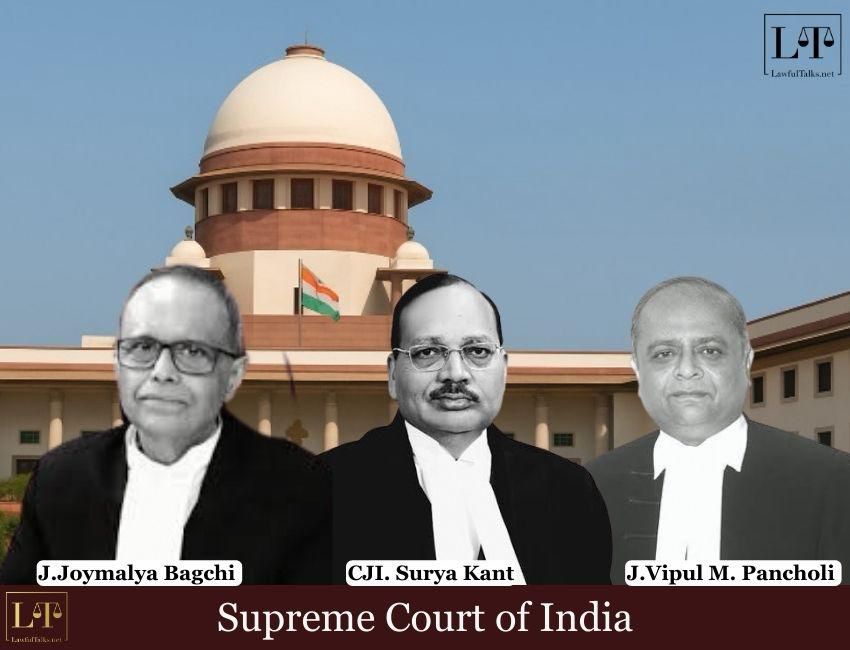
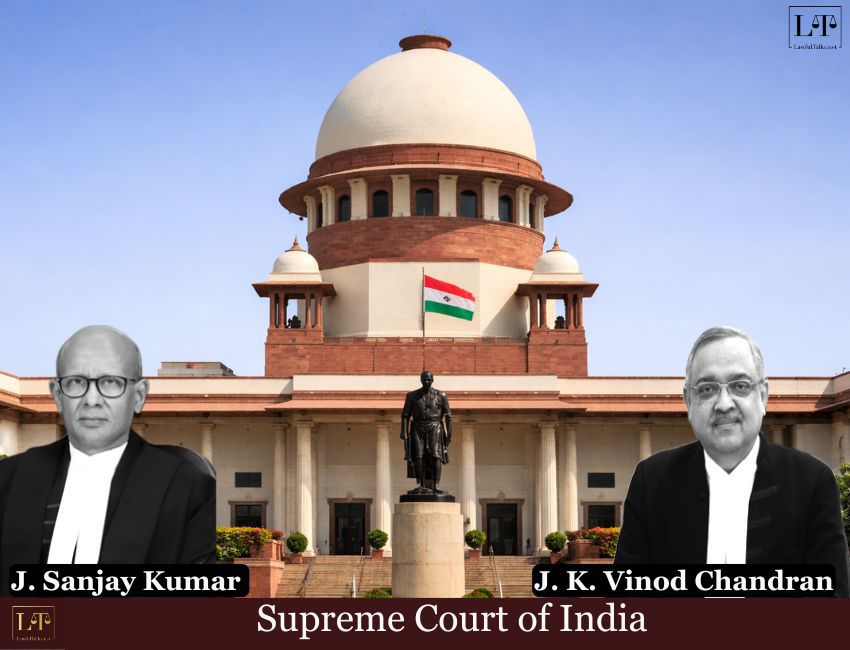
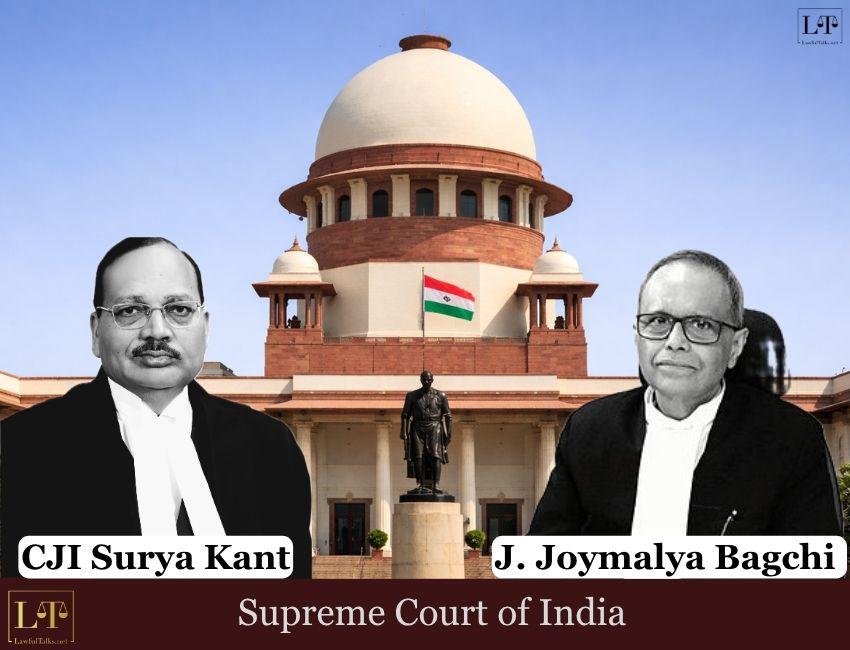
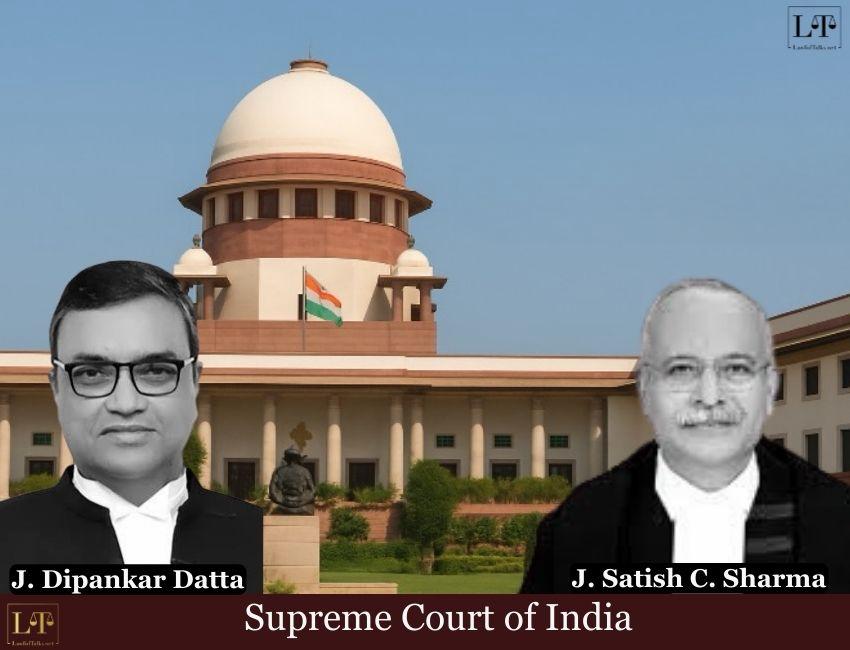
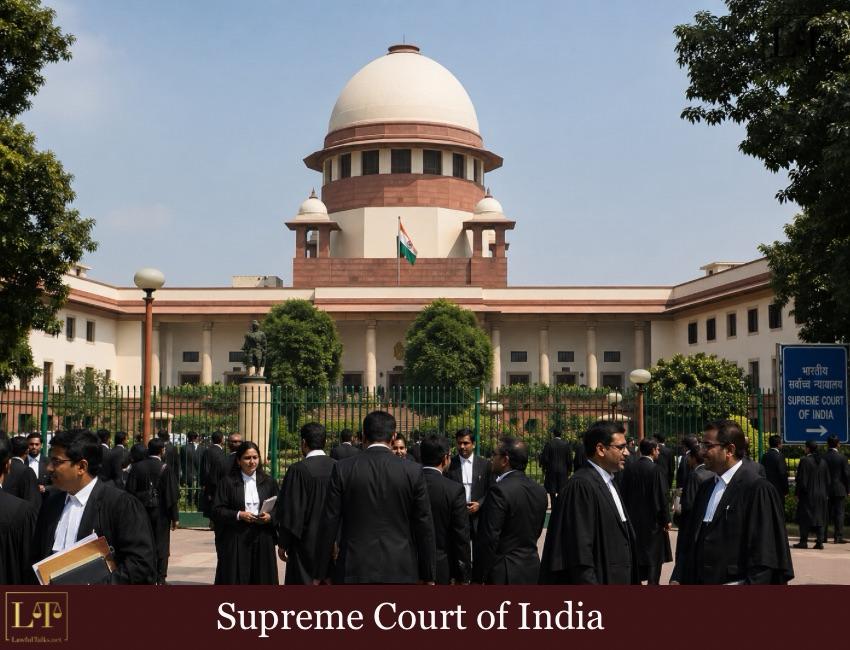
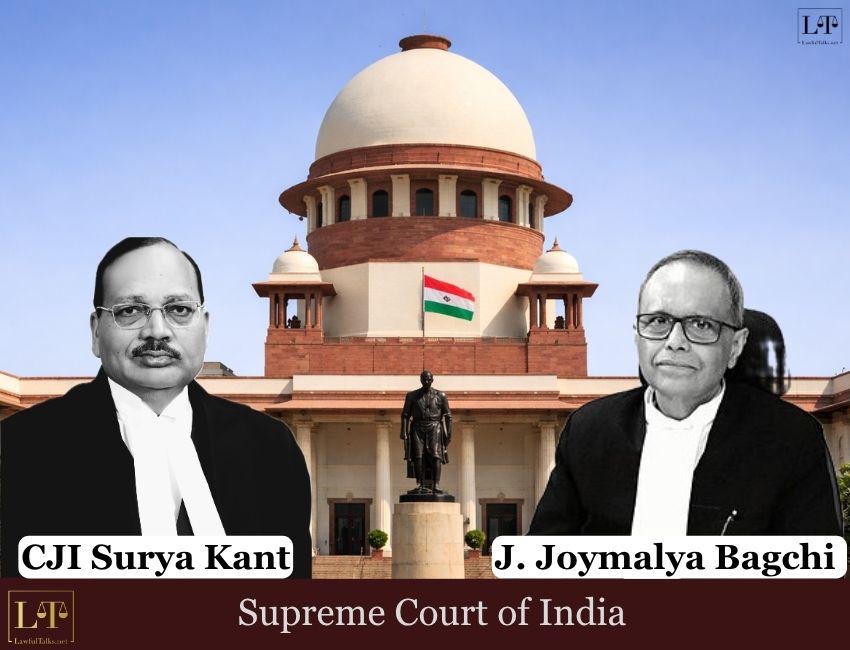
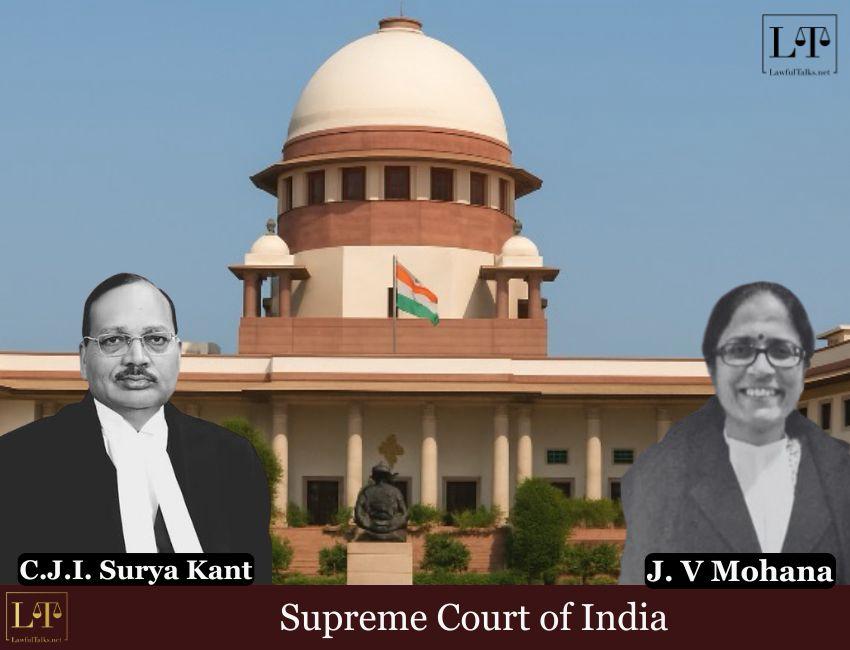
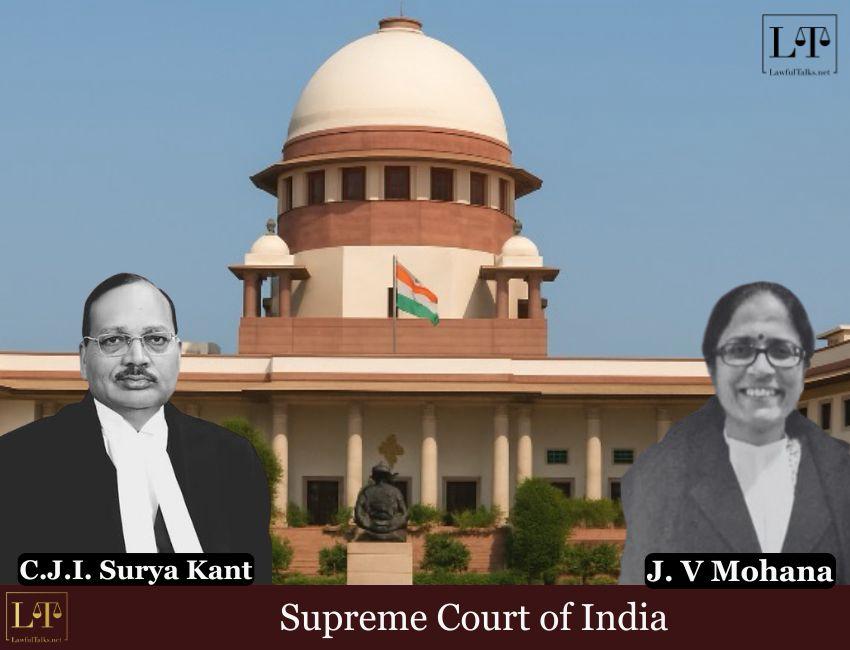
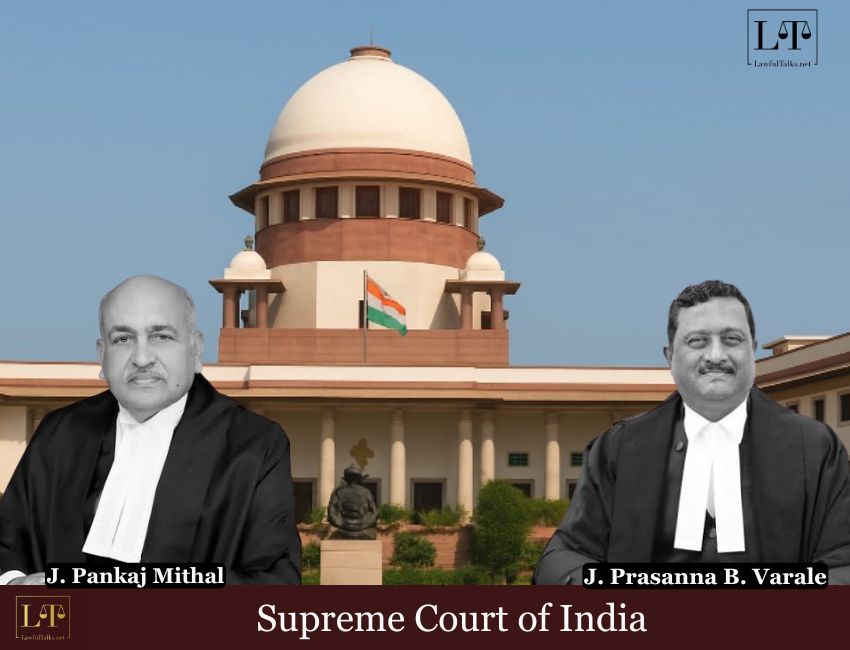
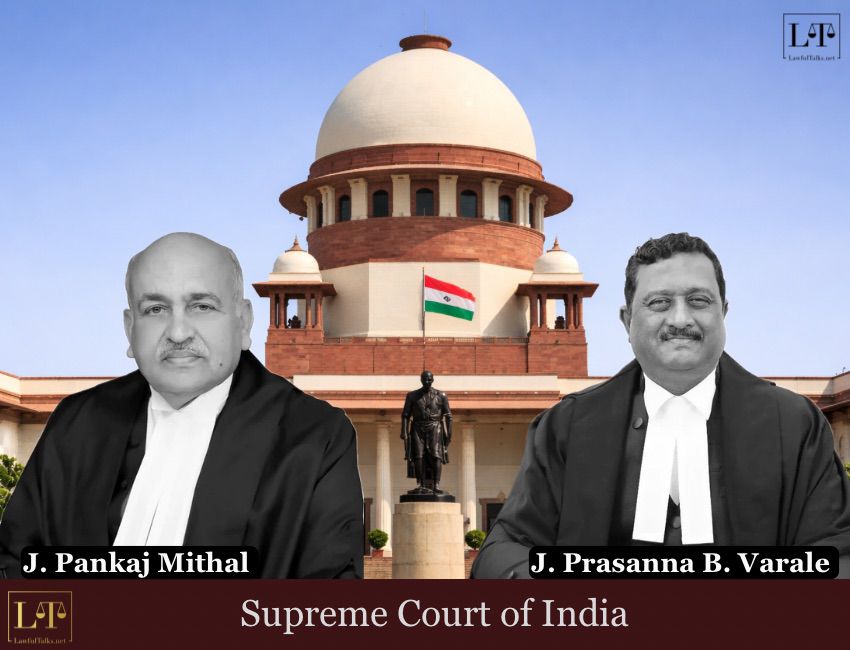
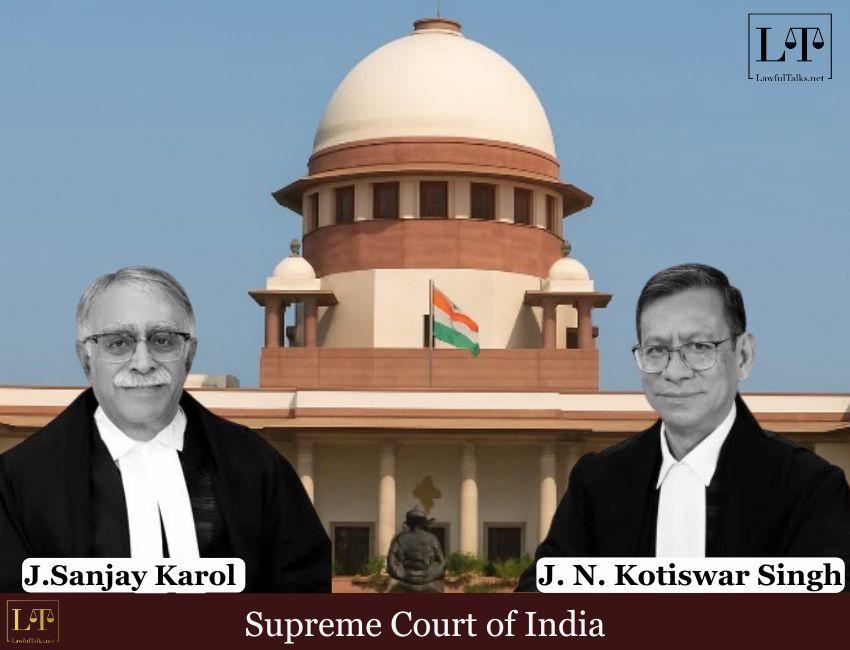
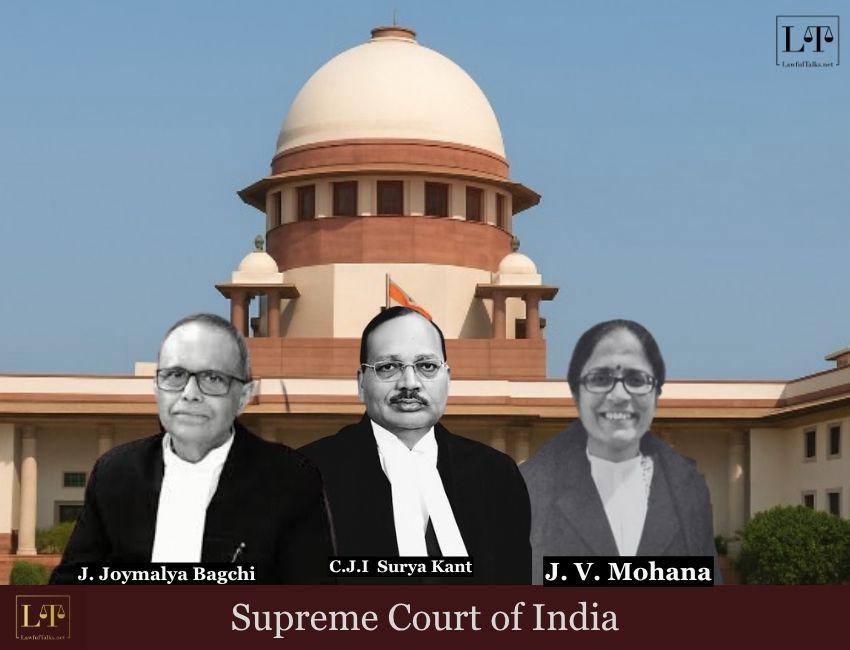
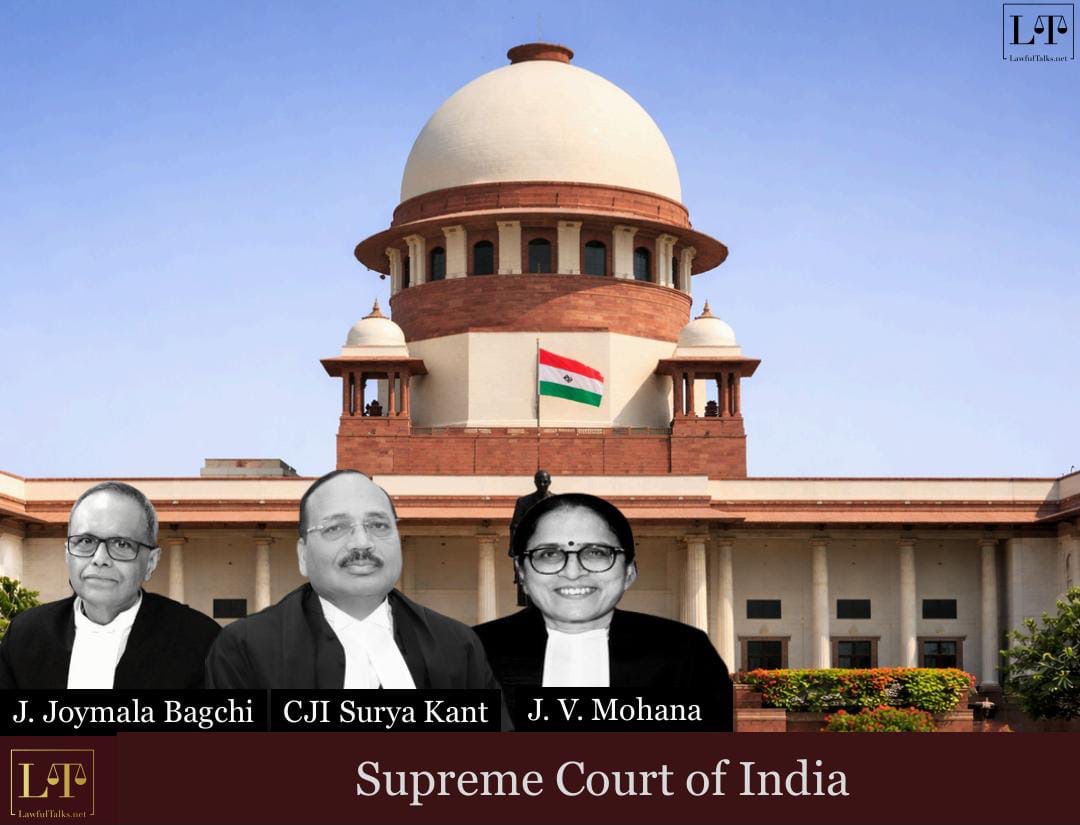
The Supreme Court on Wednesday refused to urgently hear a petition relating to the alleged police action against student protesters in Delhi. Chief Justice of India Surya Kant made it clear at the beginning that the Court was not willing to grant an urgent hearing.
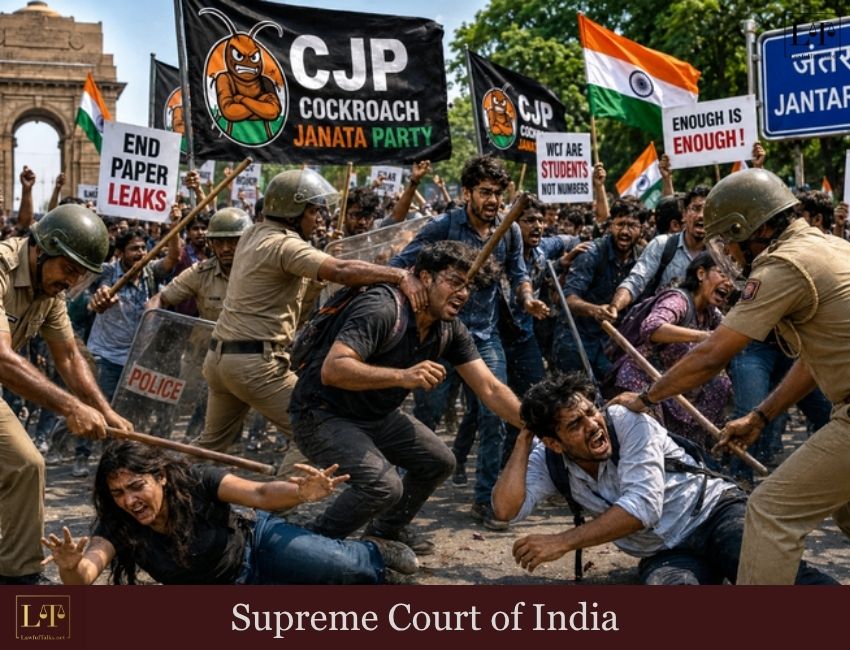
What the Protest Was About:
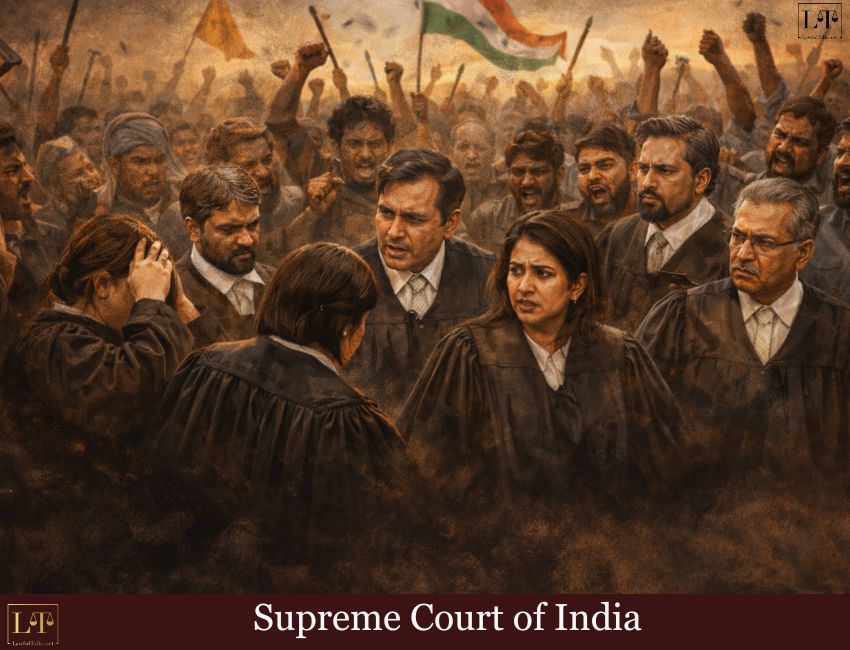
The petition was filed in connection with protests organised by the Cockroach Janata Party (CJP). Students had gathered to demand the resignation of Union Education Minister Dharmendra Pradhan over the controversy surrounding alleged examination paper leaks.
Lawyer Seeks Urgent Listing:
When the matter was mentioned before the Court, the petitioner’s lawyer requested an urgent hearing. The lawyer argued that the protests raised important issues affecting students across the country. According to the lawyer, the students were demanding proper conduct of the NEET examination and reforms in the functioning of the National Testing Agency (NTA). However, the Bench was not convinced that the matter required immediate hearing.
‘Don’t Waste Our Time’:
Refusing the request for urgent listing, the Chief Justice said, “Don’t waste our time, and don’t waste your time.” Even after this, the lawyer continued to request an urgent hearing, saying that the issues raised by the students had nationwide importance. The Chief Justice then ended the exchange by saying, “Thank you very much.”
Court Declines to Watch Videos:
The lawyer also tried to bring the Court’s attention to the alleged police excesses during the protests, submitting that videos of the incidents were available. The Chief Justice declined to look at the videos at the mentioning stage and said, “We are not interested in videos; we don’t have time to watch.” With these observations, the Supreme Court refused to grant an urgent hearing.
Delhi High Court Too:
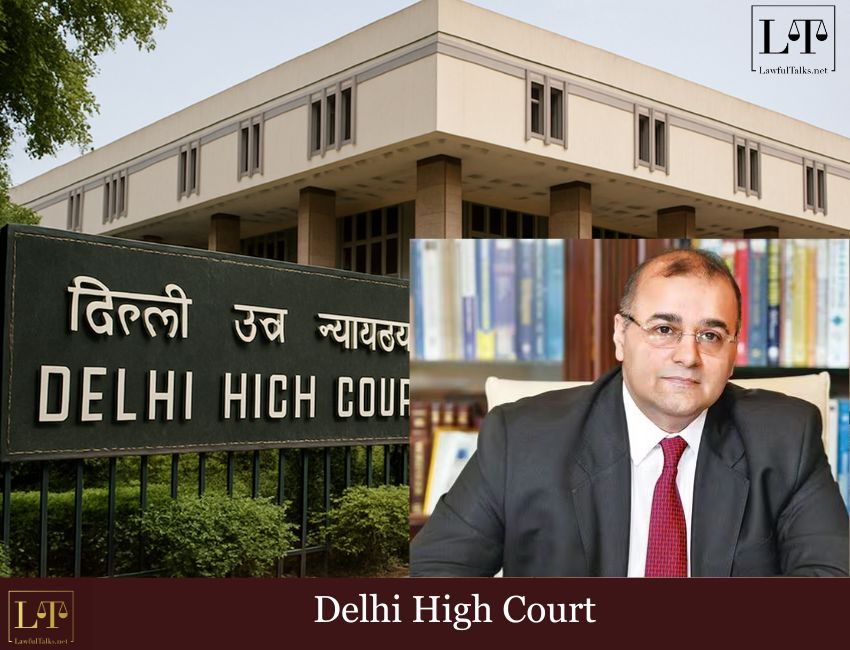
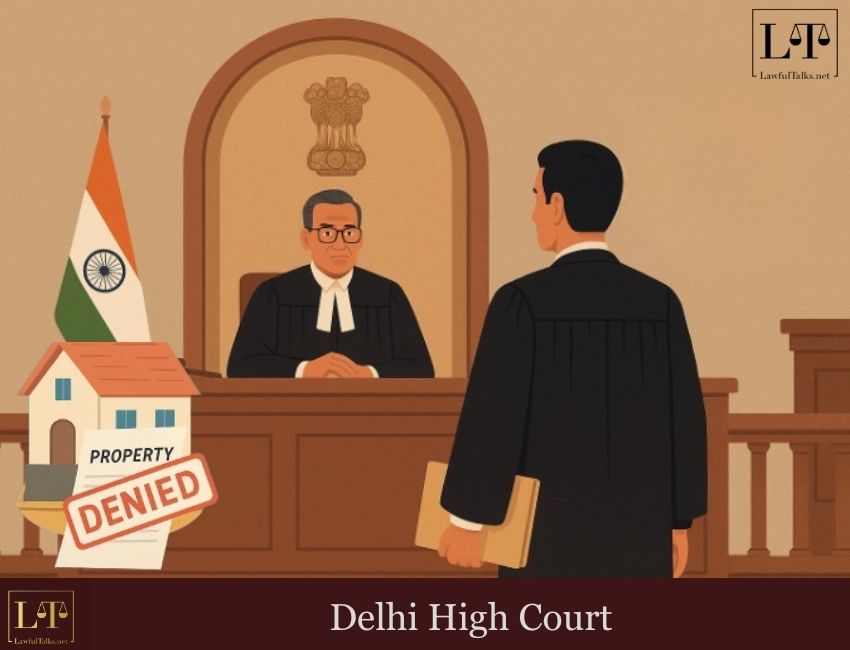
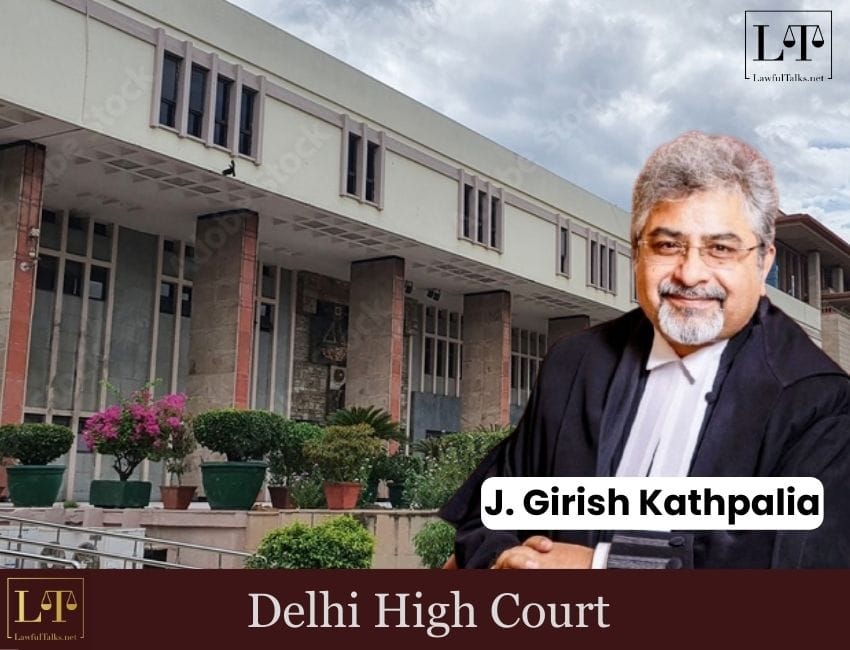
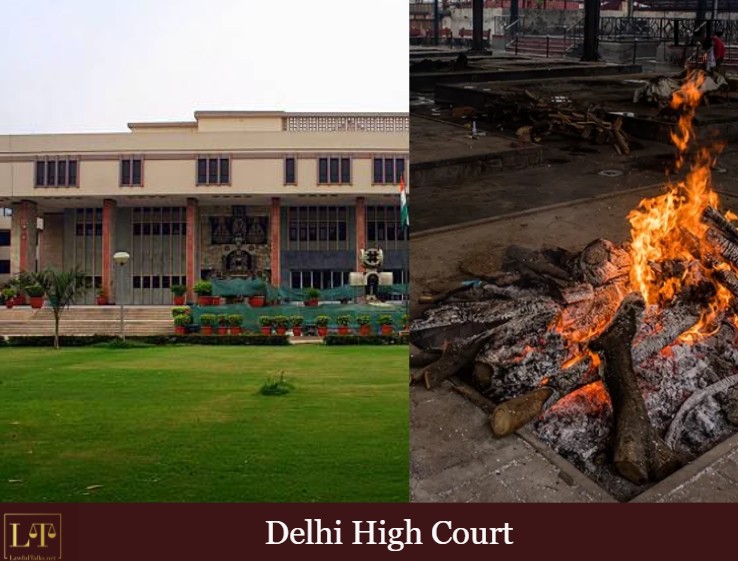
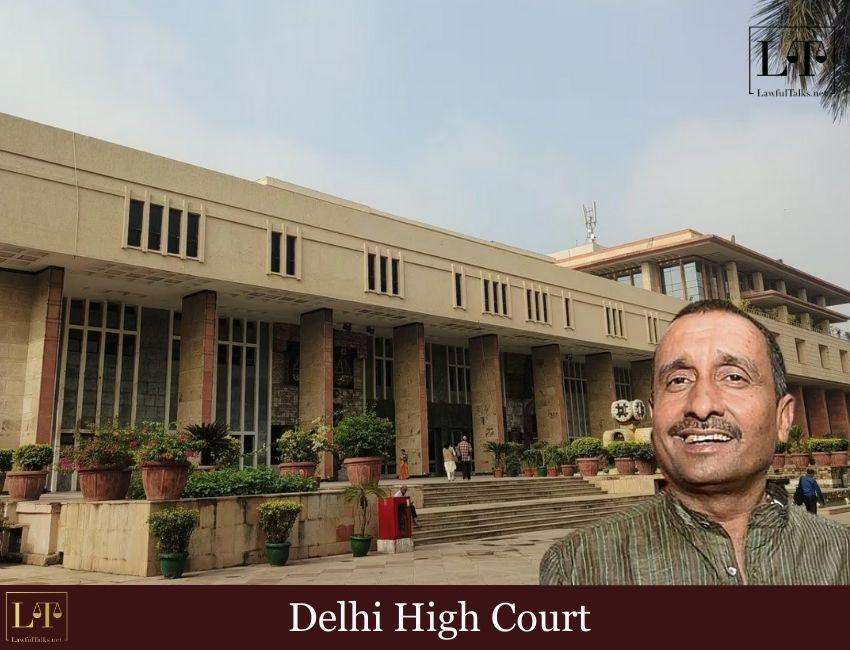
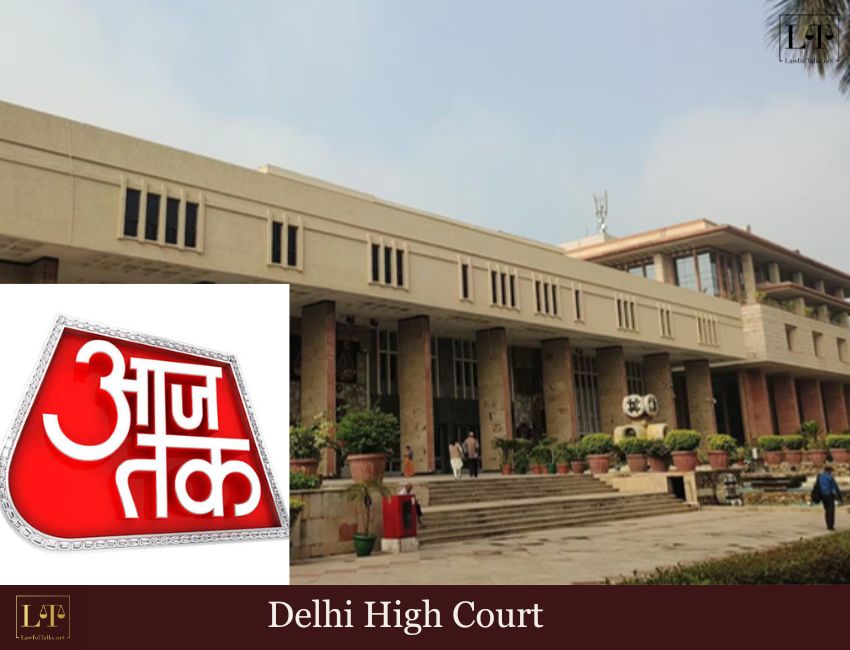
This comes a day after the Delhi High Court also refused to grant urgent relief in a similar petition relating to the same protests. While declining to intervene at that stage, the High Court had observed, “Don’t drag the Court into this.”










































Sign up for free and be the first to get notified about curated content just for you.