“Peaceful Protest Is a Constitutional Right”: Bombay Bar Association Slams Police Action

- July 23, 2026


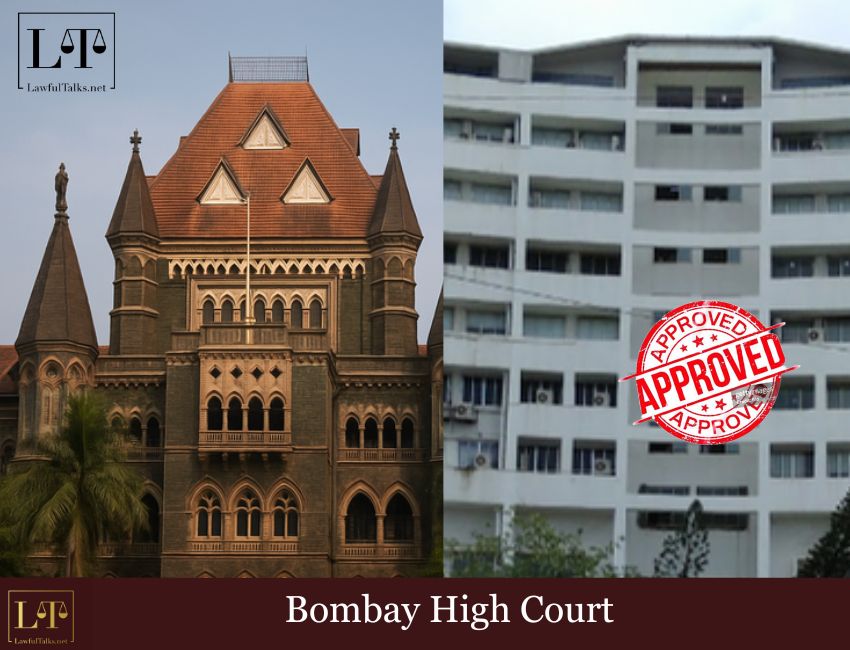
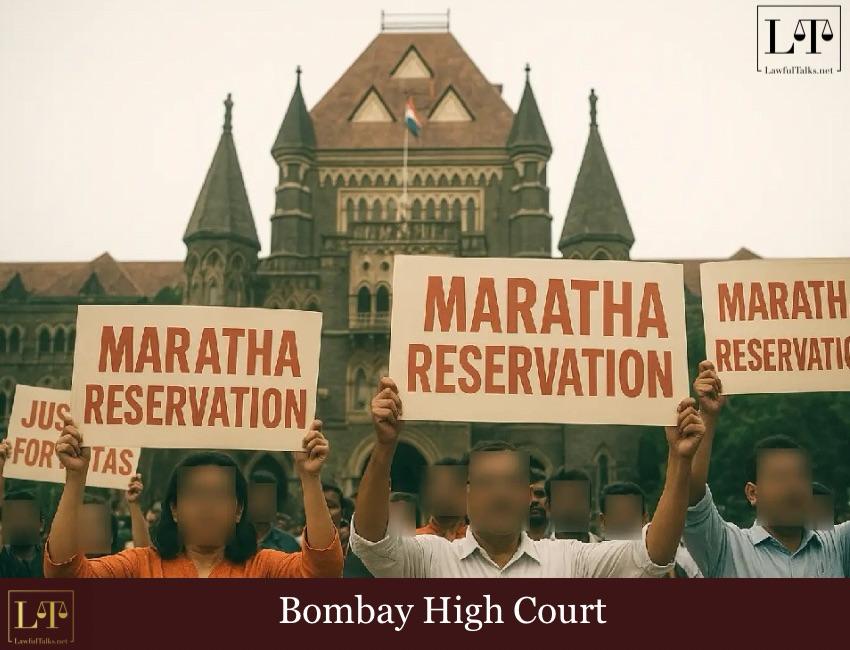
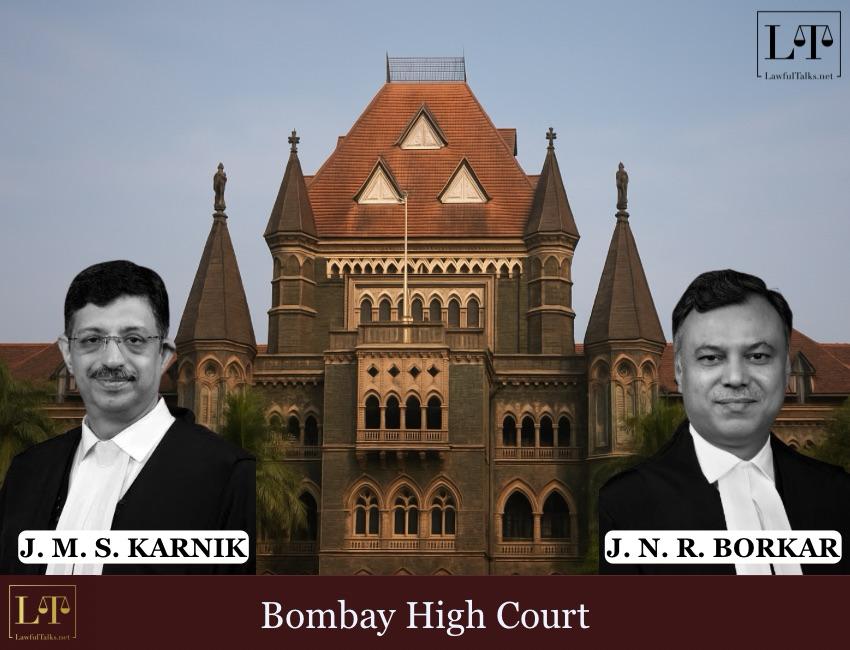
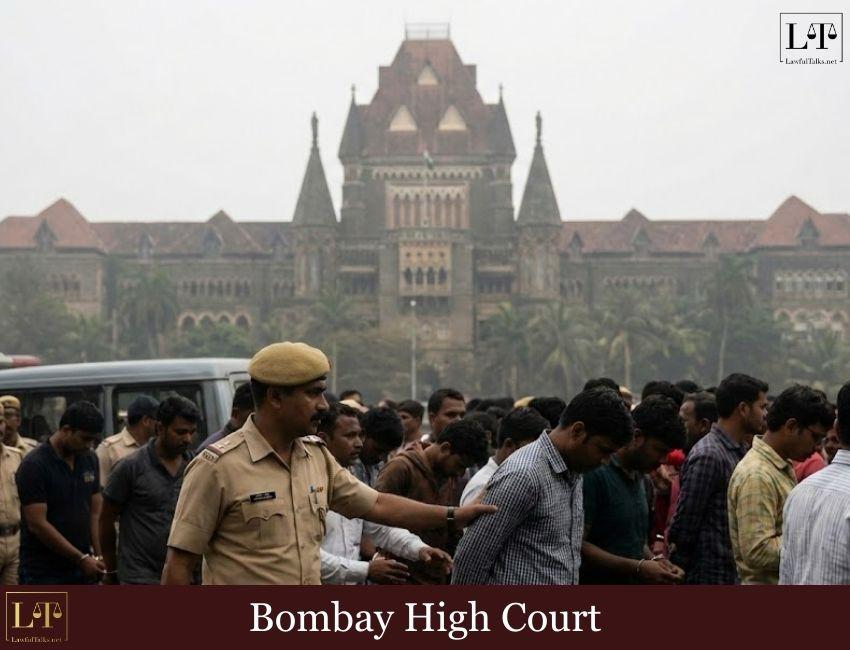
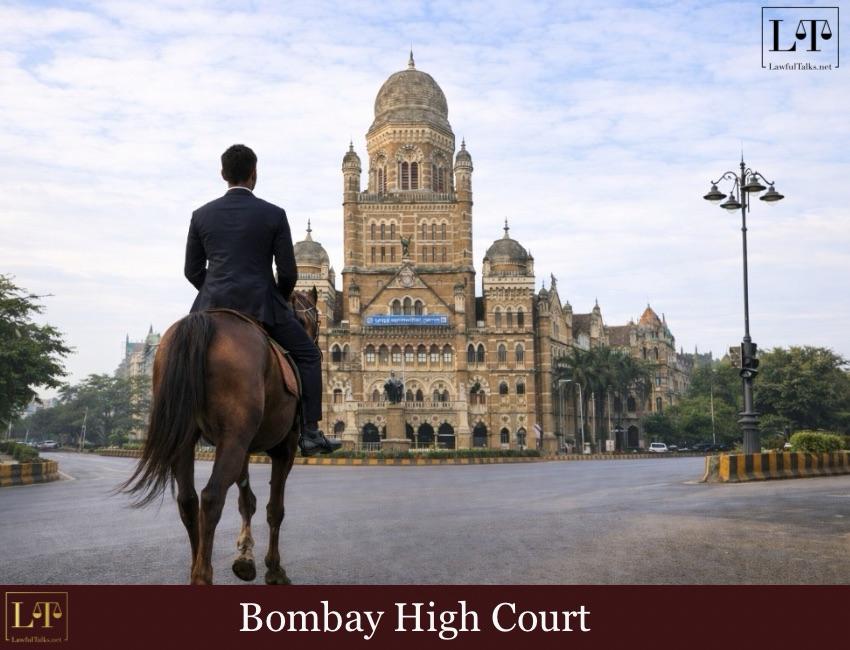
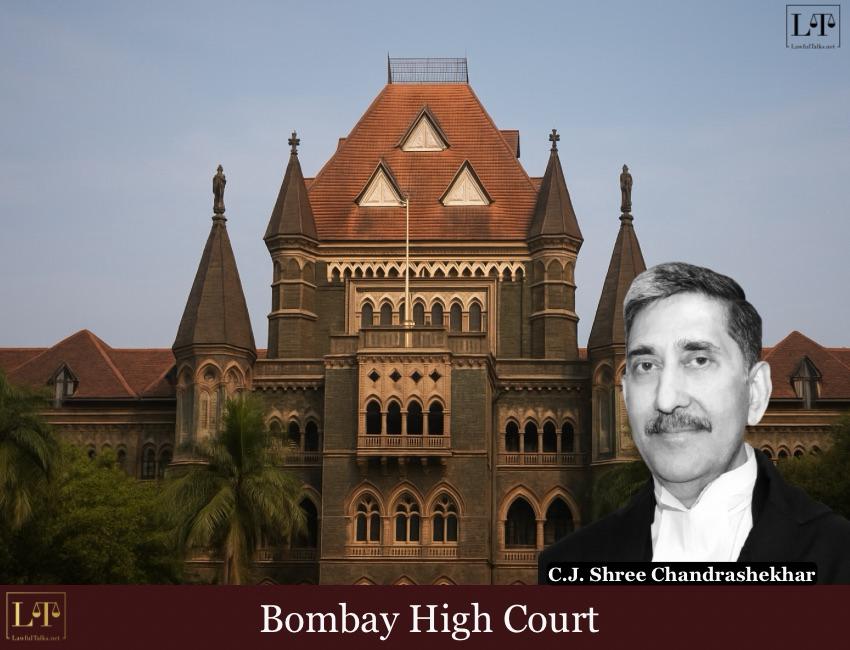
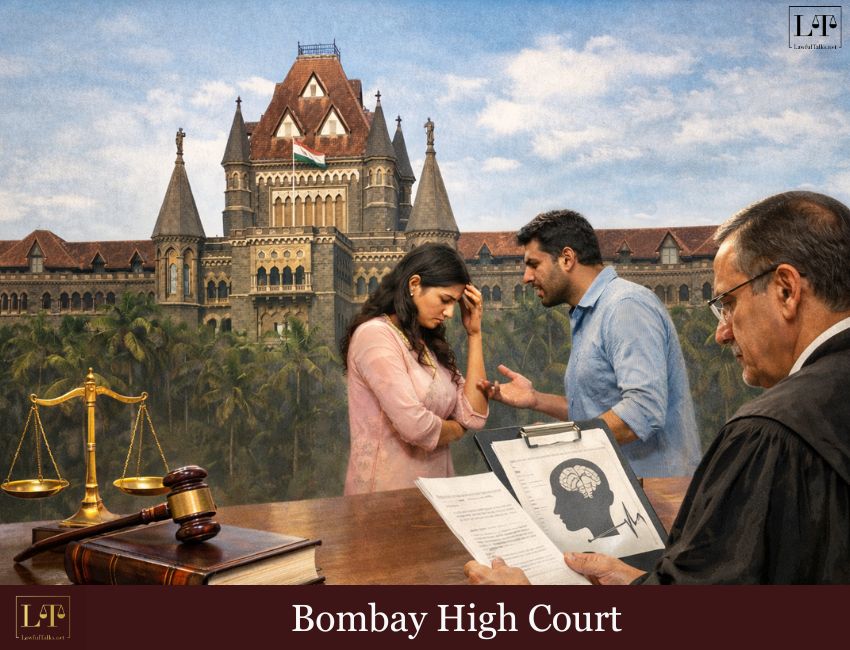
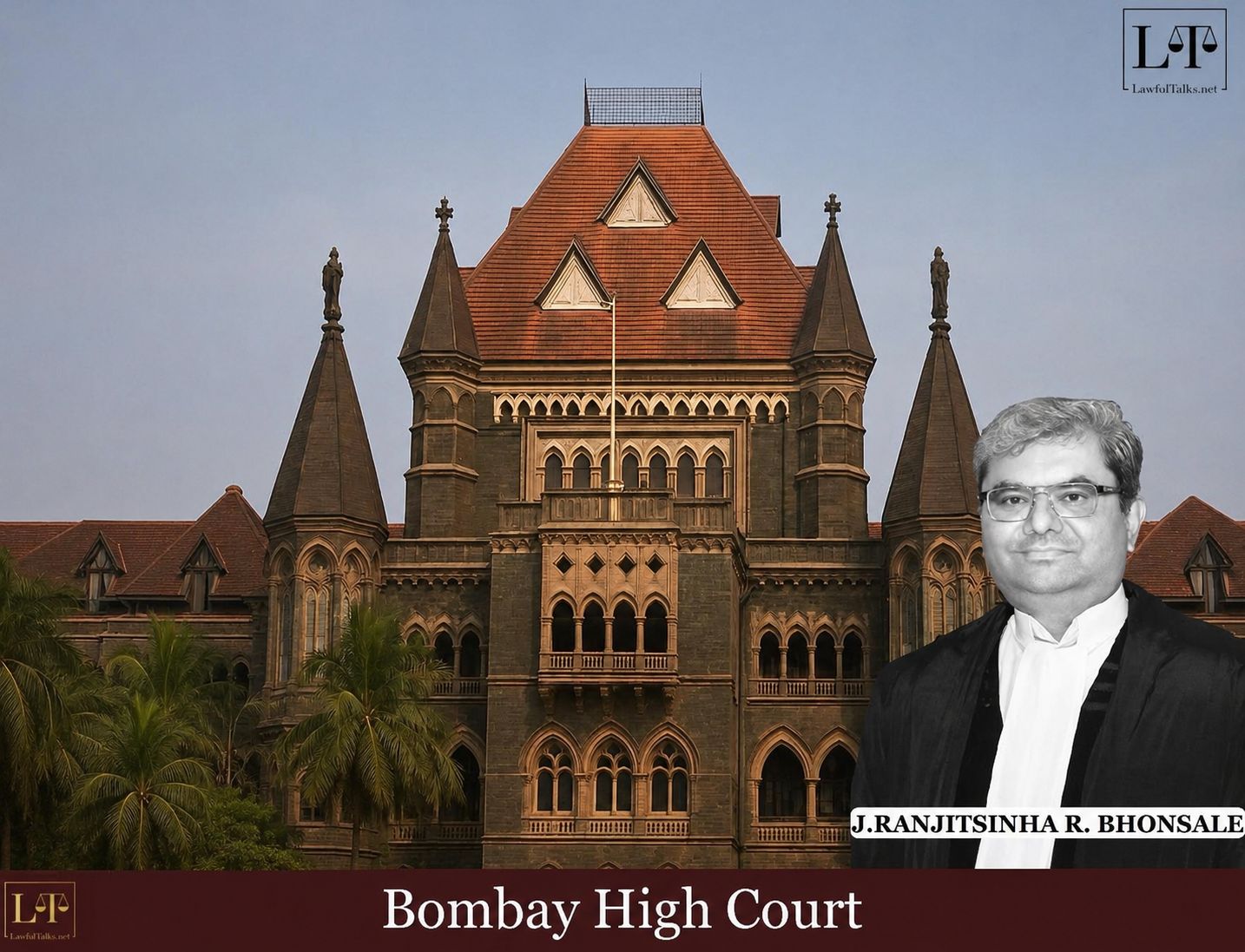
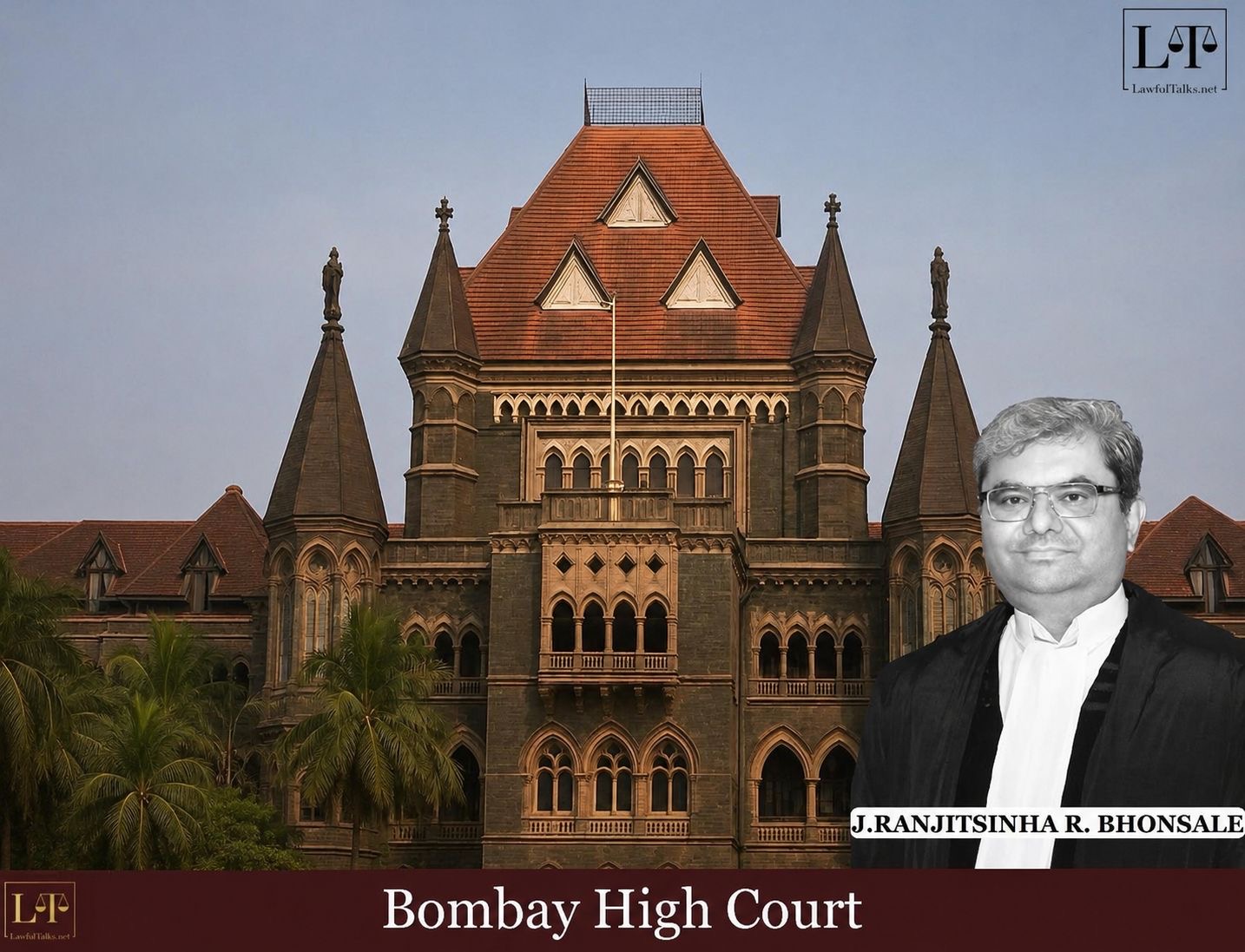
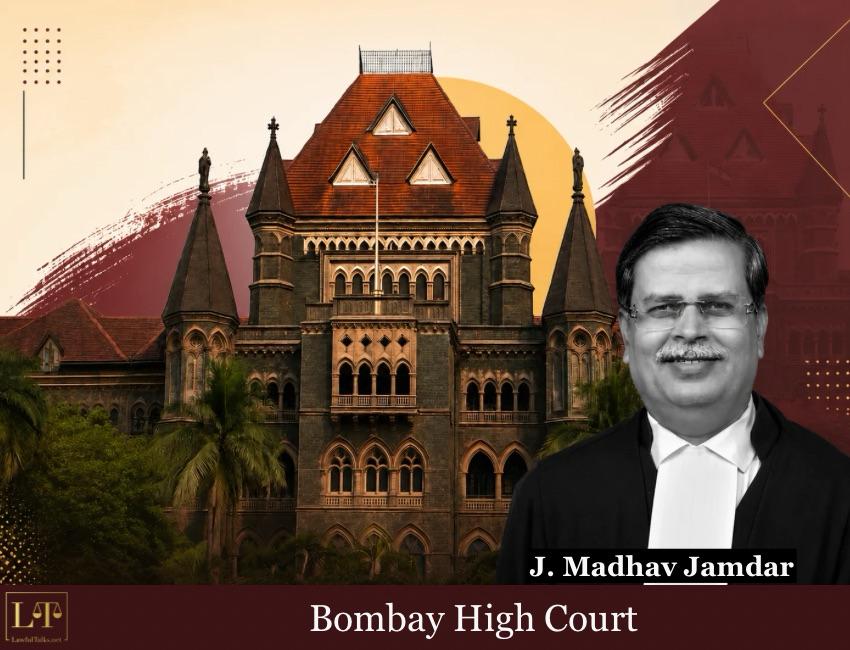
The Bombay Bar Association (BBA), one of the country’s oldest bar associations, has strongly criticised the Mumbai Police for its action against students and others who had gathered to peacefully protest over issues relating to the future of education.
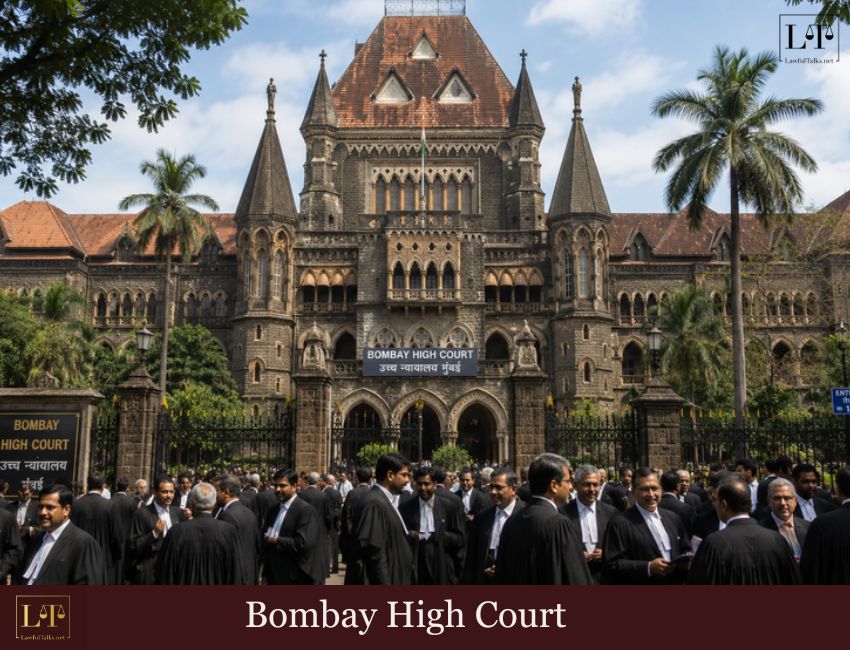
Lawyers associated with the BBA have also questioned whether the prohibitory orders imposed across Mumbai are legal, saying they unfairly restrict citizens’ constitutional right to peacefully assemble.
The Association has also expressed serious concern over the recent incidents involving students protesting on issues affecting the future of education. It said the right to peacefully assemble and express dissent is a fundamental constitutional right and an essential part of a healthy democracy.
In its resolution,the Bombay Bar Association (BBA) said it was “deeply concerned” about the recent developments. It said the right to peacefully assemble and express dissent is a basic constitutional right.
The Association said, “in a constitutional democracy, the right of citizens to assemble peacefully and to express dissent is an integral facet of the freedoms guaranteed under Article 19 of the Constitution of India. Peaceful protest is not merely a constitutional right but an essential feature of democratic governance.”
It added that democracy depends on open discussion and peaceful disagreement, especially on issues that affect the future of students.
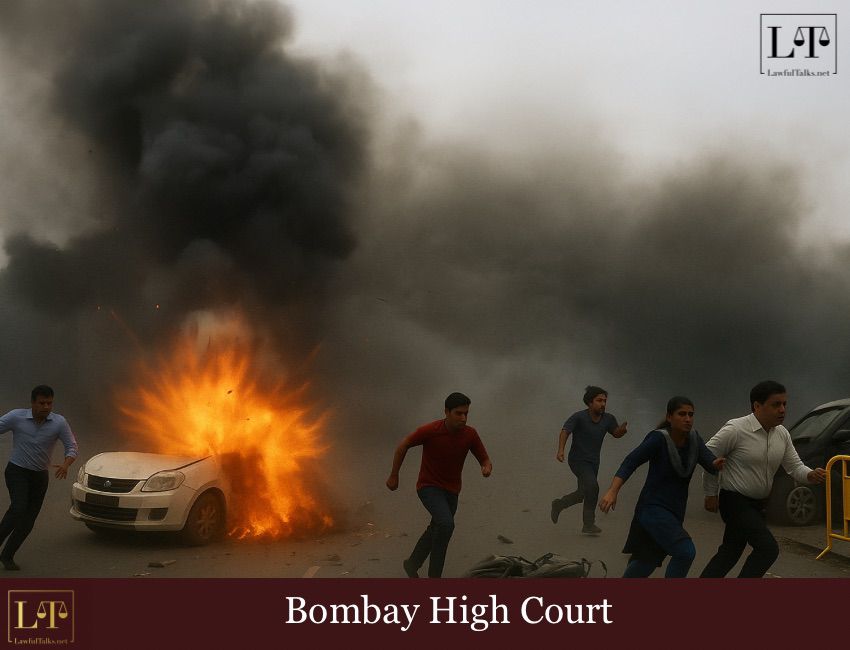
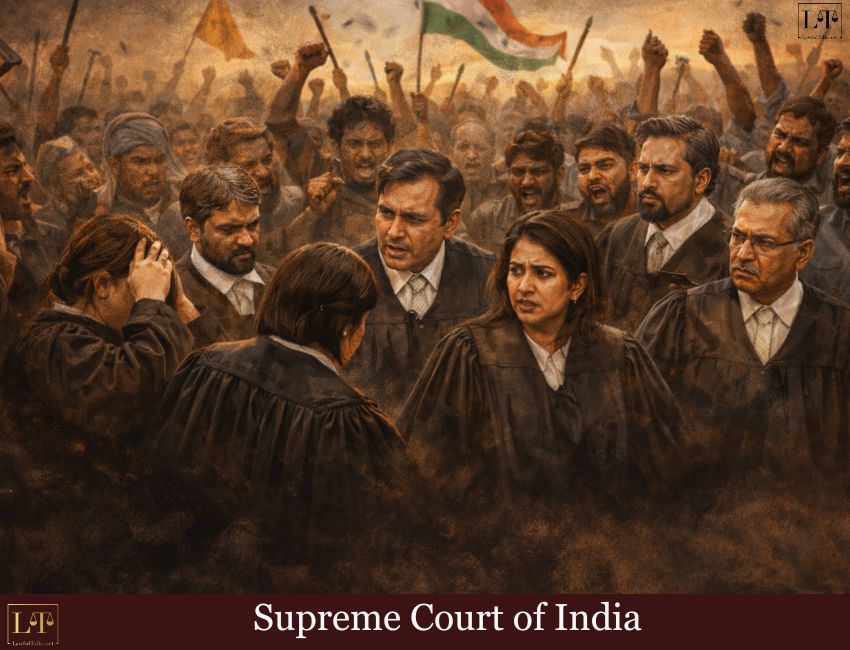
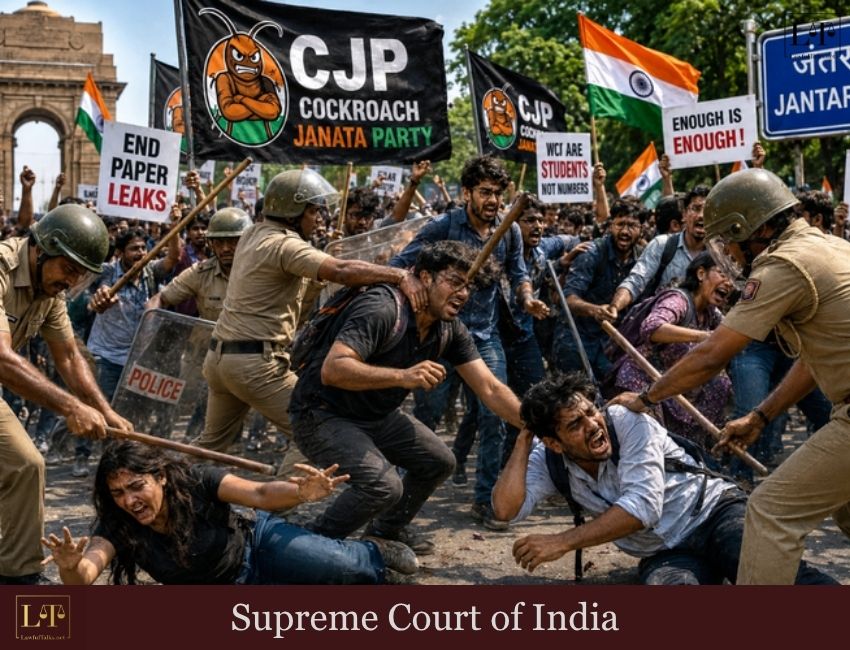
The Association also referred to videos and media reports showing students allegedly being lathi-charged and tear-gassed by the police. It clarified that its observations were based only on reports available in the public domain.
However, it said that if those reports were correct, such use of force would be deeply disturbing in a constitutional democracy.
The resolution states, “the use of force against students exercising their constitutional rights is deeply disturbing and cannot be countenanced in a society governed by the rule of law. Law enforcement authorities are expected to act with restraint, proportionality, and due regard to the constitutional rights and dignity of every citizen.”
The BBA also said the right to peaceful protest is protected not only under the Indian Constitution but also under international law. The BBA also referred to India’s obligations under the International Covenant on Civil and Political Rights, 1966. It said the rights to peacefully assemble and freely express one’s views are recognised across the world as democratic freedoms and should be respected.
At the same time, the Association made it clear that it does not support violence or unlawful acts during protests. It strongly condemned vandalism, damage to public or private property, and any violence allegedly committed during the protests.
The resolution says, “Resort to violence undermines the legitimacy of a peaceful movement and cannot be justified under any circumstances. The exercise of constitutional freedoms carries with it a corresponding obligation to act peacefully and responsibly.”
The Association expressed concern over what it described as coercive action against protesters. It criticised the use of force and the filing of FIRs against protesters to intimidate them.
The BBA said the issues raised by the students about the future of education are important and deserve serious attention. It said these issues should be resolved through discussion, not confrontation.
The resolution states, “the present situation calls for constructive dialogue, mutual respect, and reasoned discussion between the students and the Government.”
It added that meaningful dialogue would be better for both the students and society than using coercive measures.
The Association ended its resolution by asking the government, law enforcement agencies and the protesting students to act with restraint and uphold constitutional values.
It urged all stakeholders to “exercise restraint, uphold the rule of law, refrain from violence in every form, and engage in an open, sincere, and meaningful dialogue so that the issues raised may be addressed in a manner consistent with the values of our Constitution and the democratic traditions of our nation.”
The BBA resolution has now joined other bar associations in expressing concern over the police action against protesters. A day earlier, the Supreme Court Bar Association and the Supreme Court Advocates-on-Record Association had passed similar resolutions.
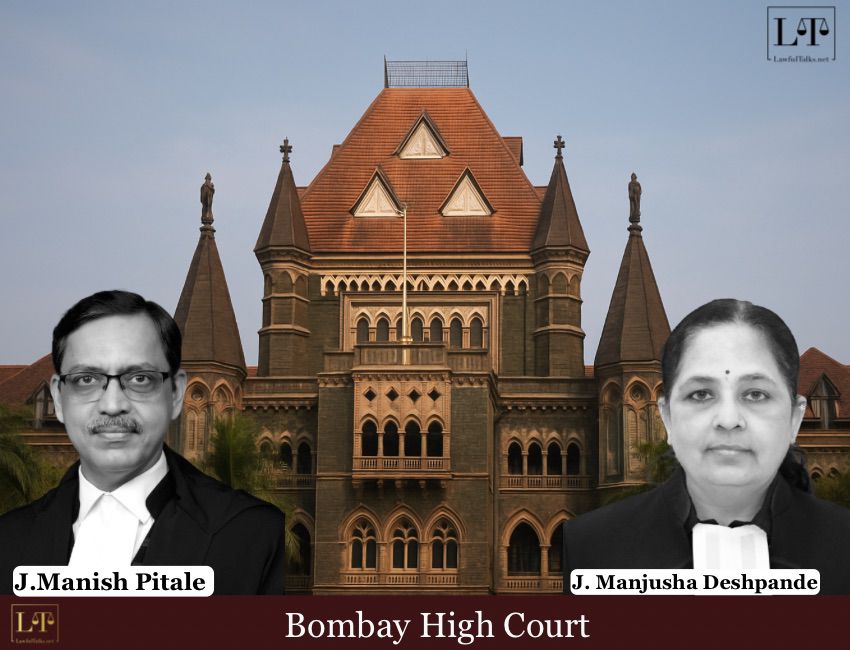
The resolution was signed by Bombay Bar Association President Nitin G. Thakker, Vice-President Venkatesh Dhond and Honorary Secretary Naushad Engineer. It says that while the rule of law must always be followed, people’s constitutional rights, including the right to peacefully protest, must also be protected. It adds that issues of public importance should be resolved through dialogue and respect for constitutional values, instead of confrontation or excessive use of force.
The Bombay Bar Association (BBA), one of the country’s oldest bar associations, has strongly criticised the Mumbai Police for its action against students and others who had gathered to peacefully protest over issues relating to the future of education.
Lawyers associated with the BBA have also questioned whether the prohibitory orders imposed across Mumbai are legal, saying they unfairly restrict citizens’ constitutional right to peacefully assemble.
The Association has also expressed serious concern over the recent incidents involving students protesting on issues affecting the future of education. It said the right to peacefully assemble and express dissent is a fundamental constitutional right and an essential part of a healthy democracy.
In its resolution,the Bombay Bar Association (BBA) said it was “deeply concerned” about the recent developments. It said the right to peacefully assemble and express dissent is a basic constitutional right.
The Association said, “in a constitutional democracy, the right of citizens to assemble peacefully and to express dissent is an integral facet of the freedoms guaranteed under Article 19 of the Constitution of India. Peaceful protest is not merely a constitutional right but an essential feature of democratic governance.”
It added that democracy depends on open discussion and peaceful disagreement, especially on issues that affect the future of students.
The Association also referred to videos and media reports showing students allegedly being lathi-charged and tear-gassed by the police. It clarified that its observations were based only on reports available in the public domain.
However, it said that if those reports were correct, such use of force would be deeply disturbing in a constitutional democracy.
The resolution states, “the use of force against students exercising their constitutional rights is deeply disturbing and cannot be countenanced in a society governed by the rule of law. Law enforcement authorities are expected to act with restraint, proportionality, and due regard to the constitutional rights and dignity of every citizen.”
The BBA also said the right to peaceful protest is protected not only under the Indian Constitution but also under international law. The BBA also referred to India’s obligations under the International Covenant on Civil and Political Rights, 1966. It said the rights to peacefully assemble and freely express one’s views are recognised across the world as democratic freedoms and should be respected.
At the same time, the Association made it clear that it does not support violence or unlawful acts during protests. It strongly condemned vandalism, damage to public or private property, and any violence allegedly committed during the protests.
The resolution says, “Resort to violence undermines the legitimacy of a peaceful movement and cannot be justified under any circumstances. The exercise of constitutional freedoms carries with it a corresponding obligation to act peacefully and responsibly.”
The Association expressed concern over what it described as coercive action against protesters. It criticised the use of force and the filing of FIRs against protesters to intimidate them.
The BBA said the issues raised by the students about the future of education are important and deserve serious attention. It said these issues should be resolved through discussion, not confrontation.
The resolution states, “the present situation calls for constructive dialogue, mutual respect, and reasoned discussion between the students and the Government.”
It added that meaningful dialogue would be better for both the students and society than using coercive measures.
The Association ended its resolution by asking the government, law enforcement agencies and the protesting students to act with restraint and uphold constitutional values.
It urged all stakeholders to “exercise restraint, uphold the rule of law, refrain from violence in every form, and engage in an open, sincere, and meaningful dialogue so that the issues raised may be addressed in a manner consistent with the values of our Constitution and the democratic traditions of our nation.”
The BBA resolution has now joined other bar associations in expressing concern over the police action against protesters. A day earlier, the Supreme Court Bar Association and the Supreme Court Advocates-on-Record Association had passed similar resolutions.
The resolution was signed by Bombay Bar Association President Nitin G. Thakker, Vice-President Venkatesh Dhond and Honorary Secretary Naushad Engineer. It says that while the rule of law must always be followed, people’s constitutional rights, including the right to peacefully protest, must also be protected. It adds that issues of public importance should be resolved through dialogue and respect for constitutional values, instead of confrontation or excessive use of force.















































Sign up for free and be the first to get notified about curated content just for you.